









The most common toner mistakes for dry skin in Pakistan in winter are using a strong exfoliating acid toner every day, applying toner and walking away without locking in moisture, and reaching for a BHA (salicylic acid) toner built for oily or acne-prone skin when your skin is already tight, flaky and pulling. None of these are rare — they're default habits carried over from oilier, sweatier months, and they backfire hard once Lahore and Islamabad drop into cold, dry, low-humidity weeks and Karachi's usually-humid air thins out too.
Every mistake below is fixable without buying a whole new routine — mostly it comes down to frequency, application order, and picking the right formula from what's actually on the shelf. We've flagged genuinely hydrating and gentler options from BigBasket.pk's stock wherever your current toner might be the culprit.
📖 Table of Contents (${Math.min(8, h2Matches.length)} Sections) Tap to Jump ↓
Mistake 1: Using a strong acid toner every single day
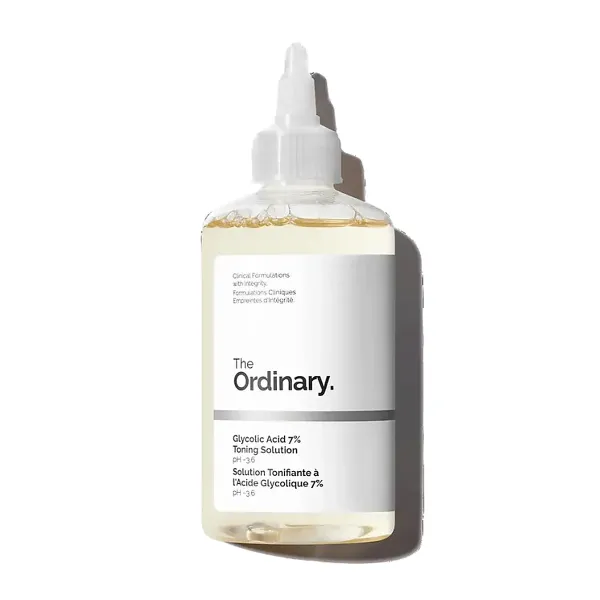
An exfoliating toner like The Ordinary Glycolic Acid 7% Exfoliating Toner works by dissolving the bonds between dead skin cells, which is exactly what gives it that smooth, glowy finish. The trade-off is that it also thins the outermost skin layer with every use, and that layer is your main defence against water loss. In summer humidity this barely registers, but in dry winter air, daily 7% glycolic acid use can leave dry skin tighter, flakier and more sensitive within a week.
This does not mean dropping glycolic acid altogether — it's one of the few ingredients that genuinely improves texture and fades dullness. It means changing the schedule. For dry or dehydrated skin, 2 to 3 nights a week in winter is a safer starting point than nightly use, and the 100ml size is a sensible way to test that lower frequency before committing to the full 240ml bottle. If you want an even stronger occasional treatment rather than a daily toner, Eveline Peel Shot 15% Glycolic Acid is meant for a once-or-twice-a-week peel step, not a nightly swipe — using something that strong every day is one of the fastest routes to a compromised barrier.
Mistake 2: Applying toner and stopping there
A toner alone does not hydrate skin for long. Most toners are mostly water, and once that water evaporates off bare skin, it can pull moisture from the skin itself on its way out — a process that leaves dry skin feeling worse than before you toned. This is especially true for acid toners, which are formulated to work fast and evaporate fast, not to sit and hydrate.
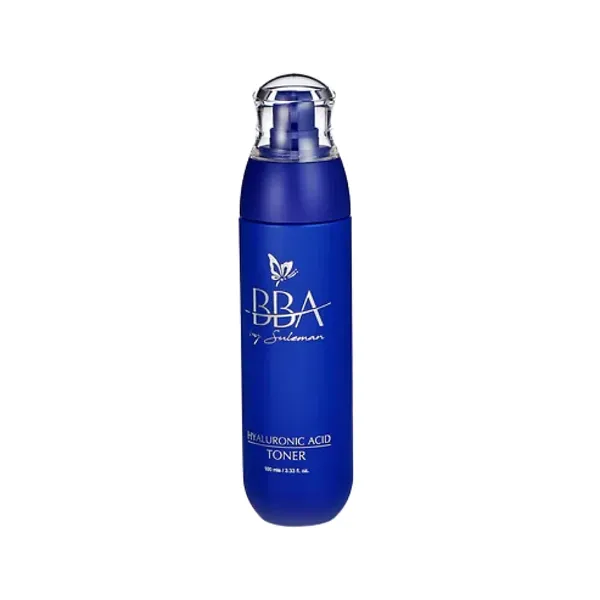
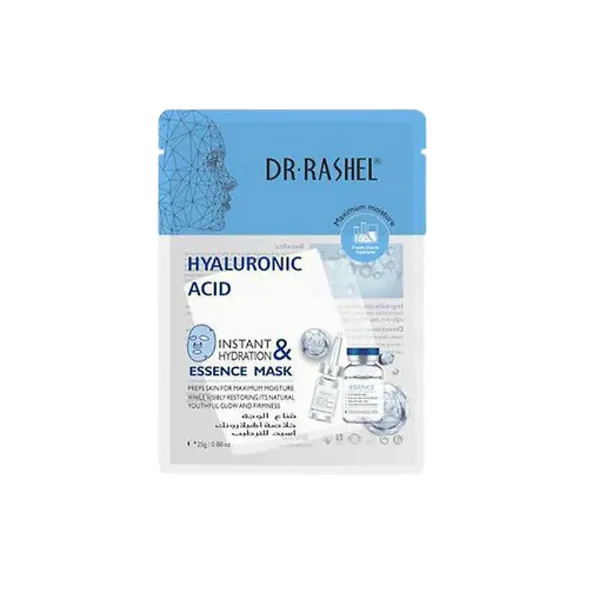
The fix is sequencing, not a different toner: press in a hydrating layer within about a minute of toning, while skin is still slightly damp, so actives like hyaluronic acid can bind that moisture instead of it evaporating away. A dedicated Hyaluronic Acid Toner works well as this in-between step for all skin types, and a sheet or cream mask like the Dr. Rashel Hyaluronic Acid Instant Hydration & Essence Mask is a good once- or twice-weekly rescue for skin that's already flaking, before your usual moisturizer goes on top. Skipping this step is arguably the single most common toner mistake for dry skin in Pakistan, because it turns a normal toner into a drying one purely through bad timing.
Mistake 3: Using a BHA toner built for oily or acne skin on dry skin
Salicylic acid (BHA) toners like The Ordinary Salicylic Acid 2% Solution are formulated to cut through oil and unclog pores, and they're excellent for oily and acne-prone skin. But that same oil-cutting action, combined with the alcohol denat commonly used to help BHA penetrate, can strip the surface lipids that dry skin depends on. Swiping this over the entire face nightly, all winter, on skin that's already short on oil is a mismatch of product to skin type, not a flaw in the product itself.
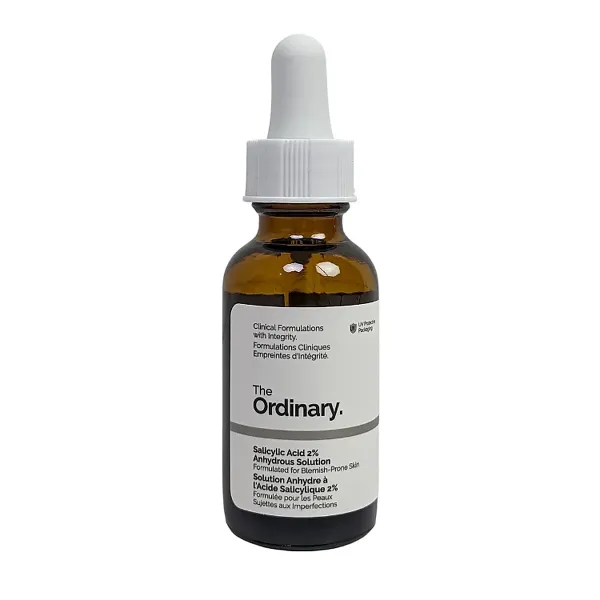
If breakouts and dryness happen together — a common combination in Pakistani winters with heater-dried indoor air and cold outdoor wind — the Salicylic Acid 2% Anhydrous Solution is the smarter pick. It's oil-based rather than water/alcohol-based, so it treats blemishes without the same evaporative pull, and it's meant to be dabbed on individual spots rather than toned across the whole face. Reserve stronger, all-over BHA formulas for T-zone or chin areas only, and keep them off the drier cheeks and jawline.
| Product | What It Is | Price (PKR) | Best For |
|---|---|---|---|
| HYALURONIC ACID - TONER (For all skin types) | Hydrating Toner | PKR 799 | Daily use, dry/dehydrated skin |
| Dr. Rashel Hyaluronic Acid Instant Hydration & Essence Mask | Hydration Rescue Mask | PKR 324 | Barrier repair after over-exfoliation |
| The Ordinary Glycolic Acid 7% Exfoliating Toner - 100ml | Trial-Size Glycolic Toner | PKR 5,750 | Cautious acid-toner starters |
| The Ordinary Salicylic Acid 2% Anhydrous Solution | Oil-Based BHA Solution | PKR 3,650 | Dry skin with occasional breakouts |
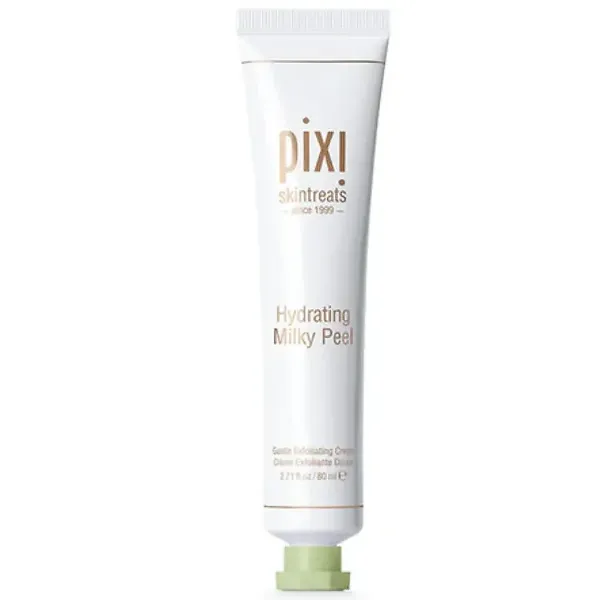
| Pixi Hydrating Milky Peel Gentle Exfoliating Cream 80Ml | Gentle Milky Exfoliant | PKR 6,912 | Exfoliation without a stripping toner |
Prices correct as of July 2026. Cash on Delivery available across Pakistan.
Mistake 4: Rubbing it in with a rough cotton pad
How you apply a toner matters almost as much as which one you pick. Saturating a cotton pad and scrubbing it back and forth across the face — a habit left over from removing makeup or sweat and sunscreen residue — physically disrupts the skin's surface. For dry skin, that friction on top of an already-thin barrier shows up as redness, micro-flaking and a stinging sensation that people often blame on the toner's ingredients when the real issue is technique.
The better method is to saturate the pad lightly, sweep it once in one direction (or press the toner in with clean hands instead of a pad at all), and stop. There's no skincare benefit to multiple passes — the acid or hydrating ingredient does its job on contact, not through mechanical rubbing. This matters most with acid toners such as the Glycolic Acid 7% Toner, where friction plus active acid is a faster way to irritation than either one alone. If your skin stings noticeably during application, that's a signal to switch to patting a hydrating toner in with hands instead of a pad.
Mistake 5: Running the same toner routine in Karachi as in Lahore or Islamabad
Pakistan's winter is not one climate. Karachi stays relatively humid even in December and January, so skin there often tolerates an exfoliating acid toner two to three times a week without much trouble. Lahore and Islamabad, on the other hand, get genuinely cold and dry, and indoor heaters strip humidity further — the same three-times-a-week glycolic or salicylic acid routine that's fine on the coast can leave skin in Punjab or the capital visibly flaky and tight by the second week of use.
Treating every city the same is a quiet but common toner mistake. If you live somewhere with dry winter air and gas or electric heating running indoors, dial acid toners back to once a week during the coldest months and lean more on a hydrating toner on the other days. Watch for the same signs regardless of city — tightness within minutes of washing your face, visible flaking around the nose and cheeks, or toner that stings on contact — and adjust frequency down rather than switching products every time skin reacts.
Fixing a winter toner routine for dry skin, step by step
Start by identifying which category your current toner falls into: exfoliating acid (glycolic or salicylic) or hydrating. If it's an acid toner and your skin is already dry in winter, cut frequency to 1–3 nights a week rather than dropping it — most dry skin still benefits from occasional gentle exfoliation, just not daily. Follow it every time with a hydrating step while skin is damp, not after it's dried down.
- Patch test any new toner on the inner arm for 24 hours before using it on the face, especially with a first-time acid product like the Glycolic Acid 7% Toner (100ml).
- Layer a Hyaluronic Acid Toner under moisturizer on the nights you're not using an acid toner.
- Use a hydration mask such as the Dr. Rashel Hyaluronic Acid Mask once or twice a week if skin still feels tight.
- Buy from a source that guarantees authentic stock — counterfeit toners sold loose in some local markets often carry no batch information and inconsistent acid concentrations, which is its own drying risk. BigBasket.pk ships nationwide with Cash on Delivery, so you can verify the product before paying.
Browse the full range on the Skin Care category page if you're rebuilding a winter routine from scratch.
Common Mistakes
- Using a 7% glycolic acid toner every night instead of 2-3 times a week in winter
- Letting toner air-dry with no hydrating serum or moisturizer applied right after
- Swiping a full-face BHA toner meant for oily/acne skin over already-dry cheeks and jawline
- Scrubbing toner in with a rough cotton pad instead of patting or one gentle sweep
- Keeping the same toner frequency in dry Lahore/Islamabad winters as in humid Karachi
- Buying unbranded toners from local markets with no batch or concentration information
Shop BigBasket.pk
Products Featured in This Article
100% authentic — Cash on Delivery across Pakistan
Frequently Asked Questions
Can I use The Ordinary Glycolic Acid 7% Toner every day in winter if I have dry skin?+
No — nightly use of a 7% glycolic acid toner is one of the most common toner mistakes for dry skin in Pakistan winters. Cut it back to 2-3 nights a week and always follow with a hydrating toner or moisturizer while skin is still damp.
Is salicylic acid toner bad for dry skin?+
Not inherently, but the standard water/alcohol-based Salicylic Acid 2% Solution can be drying when swiped over the whole face daily. The Salicylic Acid 2% Anhydrous Solution is oil-based and gentler, and works best dabbed only on breakout spots rather than the entire face.
What's the best toner for dry skin in Pakistan during winter?+
A fragrance-free hydrating toner such as the Hyaluronic Acid Toner (PKR 799) is the safest daily pick for dry skin, since it's designed to add moisture rather than exfoliate. Layer it under moisturizer while skin is still damp for the best effect.
Should I stop using toner completely if my skin feels tight and flaky?+
You don't need to stop toning altogether — usually the fix is switching from an acid toner to a hydrating one, or cutting acid toner frequency down to once a week. A hydration mask like the Dr. Rashel Hyaluronic Acid Mask can also calm skin that's already flaking.
How do I know if my toner is causing my winter dryness?+
Watch for tightness within minutes of applying it, visible flaking around the nose and cheeks, or a stinging sensation on contact. If any of these happen consistently, reduce how often you use an acid toner before switching products entirely.
Does Karachi's climate need a different toner routine than Lahore or Islamabad?+
Yes — Karachi stays relatively humid even in winter, so skin there often tolerates acid toners two to three times a week. Lahore and Islamabad get colder and drier with indoor heating, so dry skin there usually needs acid toner frequency cut to once a week with more hydrating toner in between.
The Short Version
TL;DR: The top toner mistakes for dry skin in Pakistan are using a strong glycolic or salicylic acid toner daily, skipping hydration right after toning, and applying an oily-skin BHA toner across an already-dry face. Cut acid toners to 1-3 nights a week in winter, layer a Hyaluronic Acid Toner on the other days, and browse more fixes on the Skin Care category page.
Related Reading
- → Best Toner for Dry Skin in Pakistan 2026
- → Best Toners for Oily Skin in Pakistan 2026 — Pore Control Guide
- → Best Toner in Pakistan: Top Picks for Every Skin Type
- → Best Rose Water Toners in Pakistan 2026 — Natural Skincare Guide
- → Rose Water Toner Benefits: Myths vs Facts (Pakistan Guide)
- → Tone-Up Essence vs Toner: Do You Need Both?
Price note: Prices mentioned in this guide are snapshots and may change. The linked product page shows the current BigBasket.pk price and availability.
Looking for verified, 100% original toner mistakes for dry skin in pakistan? Genuine stock in Pakistan ranges from Rs. 480 to Rs. 566 depending on packaging format and volume. Authentic items feature verifiable manufacturer batch codes, tamper-evident seals, and are backed by express 24-48h nationwide delivery and Cash on Delivery (COD) across Pakistan via BigBasket.pk.
- Guaranteed Authenticity: 100% genuine fresh batch stock sourced from authorized brand distributors.
- Competitive Pricing: Direct-to-consumer savings with transparent rates and exclusive bundle deals.
- Nationwide Express Dispatch: Delivered across Karachi, Lahore, Islamabad, and nationwide in 24-48 hours.
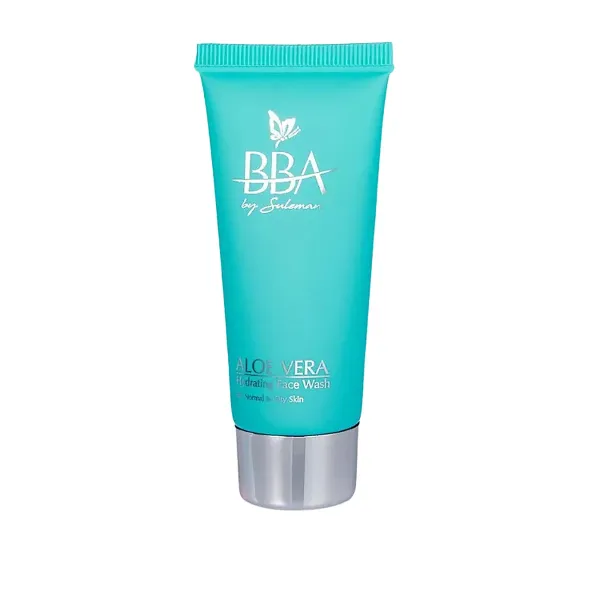
Aloe Vera Hydrating Face Wash (For Normal to Dry Skin)
🛒 Order 100% Original Products Online Across Pakistan
Avoid counterfeit batches and overpriced third-party sellers. BigBasket.pk guarantees 100% genuine inventory, fresh batch packaging, fast nationwide dispatch, and Cash on Delivery (COD) across Karachi, Lahore, Islamabad, Rawalpindi, Faisalabad, and all major cities.
Shop BigBasket.pk
Products Mentioned in This Article
Explore our full skincare range — cleansers, serums, moisturizers & SPF
Shop SkincareTags
Share this article
Continue this topic
Skincare in Pakistan
See the main decision guide, related articles and current product categories in one organised hub.
Explore the topic hubWritten by
Our internal editorial team prepares commercial beauty guides for Pakistan. This organizational byline does not imply medical review; our standards explain sources, product checks and review boundaries.
