




Key Takeaway
The real skin whitening mistakes in Pakistan aren't about the product — it's skipping SPF, mixing too many actives, and trusting unregulated fairness creams. Here's what actually works.
The most common skin whitening mistakes to avoid in Pakistan are skipping sunscreen while using brightening actives, layering vitamin C, glycolic acid and retinol-type products together, and buying unlabelled 'fairness creams' from local shops with no batch number or ingredient list. Any one of these can stall a genuinely good routine, or actively make pigmentation worse.
If you've used a brightening serum for 6-8 weeks with no visible change — or your skin has gotten darker, patchier or more sensitive — the product is rarely the whole problem. Here are the five habits that quietly ruin skin whitening results across Karachi, Lahore, Islamabad and beyond, and what to do instead.
Why Skin Whitening Routines Fail in Pakistan's Climate
Skin 'whitening' or brightening products work by slowing melanin production (ingredients like vitamin C, alpha arbutin, kojic acid or niacinamide) or by speeding up cell turnover so pigmented cells shed faster (glycolic acid, lactic acid). Both mechanisms are sensitive to two things most Pakistani skincare routines get wrong: sun exposure and skin barrier health.
Pakistan sits at a latitude with strong UV exposure nearly year-round, and Karachi's humidity plus Lahore and Islamabad's dry winters both stress the skin barrier in different ways — humidity encourages over-cleansing and over-exfoliating, while dry winter air makes actives sting and flake more easily. On top of that, the local market has a real counterfeit problem: unregulated 'fairness creams' sold loose in bazaars or by unlicensed parlors, with no batch number, manufacturer name or ingredient list, are a genuine safety risk, not just a quality issue. Stack these climate and market factors on top of ordinary skincare mistakes, and it's easy to see why so many people feel their whitening routine 'isn't working' — it usually is working, just being undone daily.
Mistake 1: Skipping Sunscreen While Using Brightening Actives
This is the single biggest reason a brightening routine stalls. Vitamin C, glycolic acid, kojic acid and alpha arbutin all work by interrupting melanin production or shedding pigmented surface cells — but UV exposure re-triggers melanin production almost immediately, so a single unprotected afternoon can undo days of progress. Vitamin C and AHA serums can also raise photosensitivity slightly, which makes daily SPF non-negotiable, not optional.
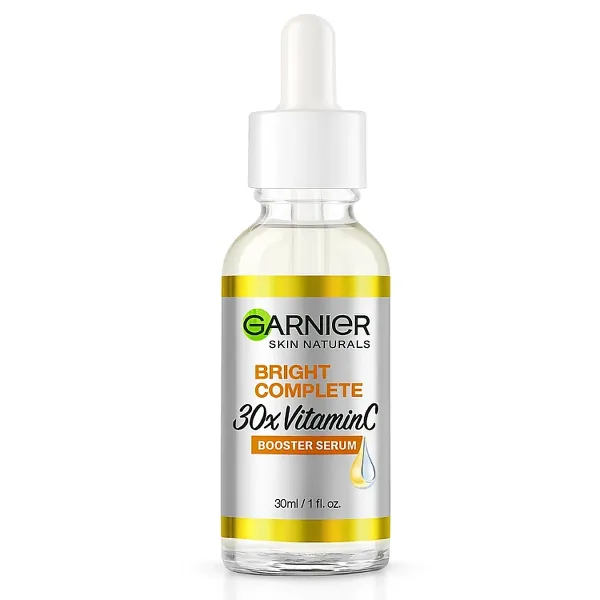
In Pakistani weather this means broad-spectrum SPF 30-50 every morning, reapplied if you're outdoors midday, even on cloudy days — UVA rays pass through both cloud cover and window glass. Pair it with a gentle daily vitamin C serum like the Garnier Bright Complete Vitamin C Booster Serum in the morning, and give the combination at least 8 weeks before judging results. New dark patches after starting a brightening serum usually mean unprotected UV won, not that the serum failed.
Mistake 2: Mixing Too Many Actives at Once
Stacking vitamin C, glycolic acid and a retinol-type product in the same routine — or the same application — is one of the fastest ways to damage the skin barrier and trigger post-inflammatory hyperpigmentation, which is often more stubborn than the dullness you were trying to fix in the first place. Wheatish, tan and deeper skin tones are especially prone to this kind of reactive darkening when skin is over-irritated.
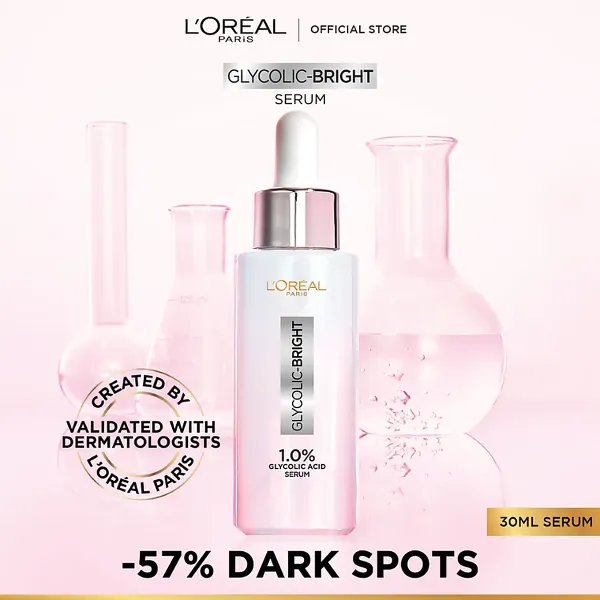
A simpler structure works better: use one targeted brightening serum consistently, such as the AXIS-Y Dark Spot Correcting Glow Serum in the morning for existing dark spots, and reserve an exfoliating acid like the Loreal Paris Glycolic Bright Instant Glowing Face Serum for 2-3 evenings a week rather than daily. Never introduce more than one new active at a time, and wait at least two weeks before adding another step. Tightness, tingling or flushing after application is irritation, not proof the product is 'working' — dial back before adding anything else.
| Product | What It Is | Price (PKR) | Best For |
|---|---|---|---|
| BNB Vitamin C Bright & Glow Kit | All-in-one starter kit | See current price on the linked product page | beginners, simple routines |
| Garnier Bright Complete Vitamin C Booster Serum - 30ml | Gentle daily vitamin C | See current price on the linked product page | daily use with sunscreen |
| AXIS-Y Dark Spot Correcting Glow Serum | Dark spot corrector | See current price on the linked product page | existing dark spots, PIH |
| Loreal Paris Glycolic Bright Instant Glowing Face Serum – 30ml | Glycolic exfoliating serum | See current price on the linked product page | controlled use, 2-3x weekly |
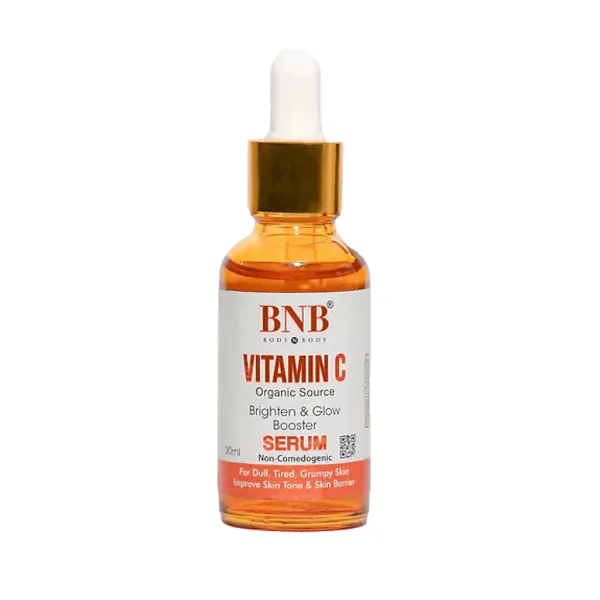
| BNB Bright Up Vitamin C Serum | Budget vitamin C serum | See current price on the linked product page | affordable, labelled option |
Prices correct as of July 2026. Cash on Delivery available across Pakistan.
Mistake 3: Buying Unregulated 'Fairness Creams' From Local Shops
Pakistan's beauty market has a well-documented problem with unregulated skin-whitening creams sold loose in general stores, some pharmacies and unlicensed beauty parlors — products with no batch number, no manufacturer address, no ingredient list and no DRAP registration. Many contain banned or uncontrolled levels of mercury or topical steroids, which can produce a fast, dramatic 'glow' within days at a real cost: skin thinning, visible blood vessels, steroid dependency, rebound pigmentation once you stop, and with mercury, systemic toxicity risk.
The fix doesn't have to be expensive — buy from labelled brands with a visible ingredient list and traceable manufacturer, such as the BNB Bright Up Vitamin C Serum, or any Garnier or LOreal Paris serum. These won't bleach skin overnight, and that's the point — genuine brightening ingredients work gradually and safely. If a product promises visible fairness in 3-7 days, treat that as a warning sign, not a selling point, no matter how cheap or convenient it is to buy locally.
Mistake 4: Over-Exfoliating in Karachi Humidity or Dry Winters
Glycolic and lactic acid serums genuinely brighten by speeding up cell turnover, but using them daily — or combining an acid serum with a separate scrub or peel — strips the skin barrier faster than it can repair in Pakistan's climate extremes. In Karachi's humidity, over-exfoliated skin combined with sweat and pollution often reacts with breakouts and irritation-triggered dark marks. In Lahore and Islamabad's dry winters, the same over-exfoliation shows up as flaking, redness and a tight, sensitised feel that makes every other product sting.
Either way, a damaged barrier tends to produce more pigmentation, not less, since inflamed skin overproduces melanin as a defence response. Keep glycolic acid to 2-3 uses a week, never daily, and start low-strength if you're new to acids — browse gentle brightening formulas in our skin care range if you're unsure which strength suits you. Always follow exfoliation with moisturiser, and never skip sunscreen the next morning — freshly exfoliated skin is at its most UV-sensitive.
Mistake 5: Expecting Results in 2 Weeks and Quitting Too Early
Skin cell turnover takes roughly 28 days on its own, and clinical brightening ingredients like vitamin C, niacinamide and glycolic acid typically need 8-12 weeks of consistent daily use before tone changes are clearly visible. A common pattern in Pakistan is switching products every 1-2 weeks chasing faster 'fairness' results, which resets the clock every time — no single ingredient is ever used long enough to actually work.
Instead of chasing a new serum every few weeks, pick one simple system and commit to a full 8-12 week cycle, taking a photo in the same lighting every two weeks to track real change instead of guessing. A complete starter option like the BNB Vitamin C Bright & Glow Kit removes the guesswork of combining separate products, which also lowers the risk of Mistake 2 above. Patience is genuinely the difference between a routine that 'doesn't work' and one that hasn't been given time to.
Common Mistakes
- Skipping daily sunscreen while using vitamin C, glycolic acid or other brightening actives
- Layering vitamin C, glycolic acid and retinol-type products together instead of alternating them
- Buying unlabelled 'fairness creams' from local shops with no batch number or ingredient list
- Over-exfoliating with acids in Karachi's humidity or Lahore/Islamabad's dry winters until the barrier breaks down
- Expecting visible results in 1-2 weeks and switching products before the 8-12 week mark
- Applying full-strength actives on the entire face when only certain patches are pigmented
Shop BigBasket.pk
Products Featured in This Article
100% authentic — Cash on Delivery across Pakistan


Frequently Asked Questions
What is the biggest skin whitening mistake people make in Pakistan?+
Skipping daily sunscreen is the single biggest one. Vitamin C, glycolic acid and similar brightening actives work by disrupting melanin production, but unprotected UV exposure re-triggers it almost immediately, undoing weeks of progress in Pakistan's strong, year-round sun.
Are fairness creams sold in local Pakistani markets safe to use?+
Many unregulated fairness creams sold without a batch number, DRAP registration or ingredient list contain banned mercury or steroids that cause skin thinning and rebound pigmentation. Stick to labelled products with a visible ingredient list, such as Garnier, LOreal Paris, BNB or AXIS-Y serums, rather than loose local-market creams.
Can I use vitamin C and glycolic acid in the same routine?+
Yes, but not stacked together daily. Most people get calmer, better results using a vitamin C serum like the Garnier Bright Complete Vitamin C Booster Serum in the morning and reserving a glycolic acid serum for 2-3 evenings a week. Using both together every day is a common cause of irritation and rebound dark marks.
How long does it take for skin whitening products to actually work?+
Most vitamin C and glycolic acid serums need 8-12 weeks of consistent daily use before tone improvement is clearly visible, since natural skin cell turnover alone takes about 28 days. Switching products every 1-2 weeks is one of the most common reasons people feel nothing is working.
Why does my skin look darker after starting a whitening cream?+
This usually means sun exposure without SPF, an unregulated mercury or steroid-based cream causing rebound pigmentation, or over-exfoliation that inflamed the skin and triggered post-inflammatory dark marks. Switching to a labelled product such as the BNB Bright Up Vitamin C Serum plus daily sunscreen is the safer way to reset.
What's a simple, safe skin whitening routine to start with in Pakistan?+
Start with one gentle vitamin C serum in the morning under sunscreen, and introduce an exfoliating acid only 2-3 times a week once your skin tolerates it. A complete starter option like the BNB Vitamin C Bright & Glow Kit is built around this simple structure so you're not guessing how to combine separate products.
The Short Version
TL;DR: Most skin whitening routines in Pakistan fail for five avoidable reasons — no daily sunscreen, mixing too many actives, unregulated mercury/steroid fairness creams, over-exfoliating in Karachi's humidity or Lahore/Islamabad's dry winters, and quitting before the 8-12 week mark. Fix the basics with a labelled vitamin C serum plus daily SPF, or start simple with a full brightening kit.
Related Reading
- → Best Glutathione Creams in Pakistan 2026 — Skin Whitening Guide
- → Niacinamide vs Alpha Arbutin: Which Brightens Skin Better?
- → Best Body Wash for Skin Whitening in Pakistan: Honest Guide
- → Best Kojic Acid Soaps in Pakistan 2026 — Brightening & Whitening
- → Skin Whitening Creams in Pakistan: What's Really In Them
- → How Long Does Skin Whitening Really Take in Pakistan?
Price note: Prices mentioned in this guide are snapshots and may change. The linked product page shows the current BigBasket.pk price and availability.