









If you're comparing a skin whitening cream price in Pakistan right now — whether you're looking at Glupatone, Ethiglo, an unbranded "zafrani" or "sandal" beauty cream, or something like White Balance — we're not going to give you a price list, because we don't sell any of these and never will. What we can give you is calmer and more useful: what independent testing has actually found in this product category, how to spot a genuinely risky cream, and what dermatology evidence actually supports for pigmentation, using real products and real PKR prices below.
Looking for verified, 100% original skin whitening cream pakistan? Genuine stock in Pakistan ranges from Rs. 1,080 to Rs. 1,274 depending on packaging format and volume. Authentic items feature verifiable manufacturer batch codes, tamper-evident seals, and are backed by express 24-48h nationwide delivery and Cash on Delivery (COD) across Pakistan via BigBasket.pk.
- Guaranteed Authenticity: 100% genuine fresh batch stock sourced from authorized brand distributors.
- Competitive Pricing: Direct-to-consumer savings with transparent rates and exclusive bundle deals.
- Nationwide Express Dispatch: Delivered across Karachi, Lahore, Islamabad, and nationwide in 24-48 hours.
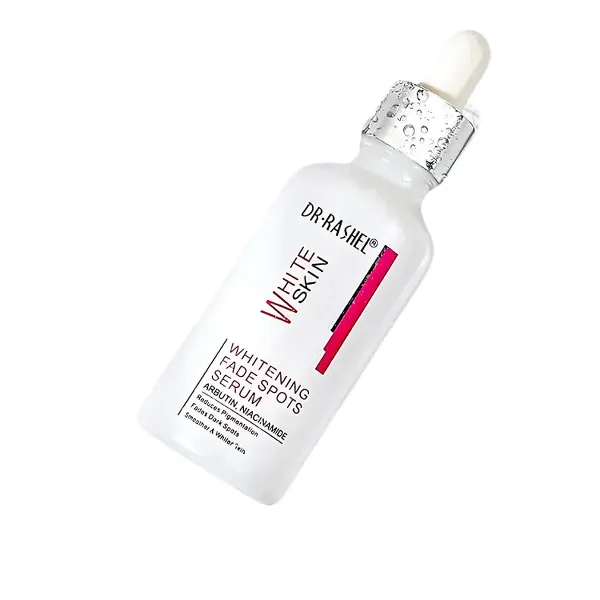
Dr. Rashel White Skin Whitening Fade Spots Serum, 50ml
📖 Table of Contents (${Math.min(8, h2Matches.length)} Sections) Tap to Jump ↓
What's Actually Documented About Skin Whitening Creams in Pakistan
This isn't a scare story — the facts here are serious enough without exaggeration. Independent laboratory testing, commissioned by international health and environmental organisations, has repeatedly sampled unregulated skin-whitening and "beauty" creams sold across South Asian markets, including Pakistan, and found mercury in the overwhelming majority of products tested, in some samples at levels reported to be several thousand times above the internationally recognised safety limit of 1 part per million. Pakistan's own Competition Commission has separately opened investigations into misleading marketing claims made by cosmetic companies in this category.
Alongside mercury, testing and dermatology reporting have repeatedly flagged two other undisclosed ingredients in this category: potent prescription-strength corticosteroids such as clobetasol or betamethasone, mixed into creams sold over the counter without any indication they contain a steroid at all, and hydroquinone, an ingredient that's been banned from cosmetics across the EU since 2001 over long-term safety concerns. We're describing these as category-level findings, not an accusation against any single named product's current formula — but the pattern across repeated, independent testing of this category is consistent enough to take seriously.
The documented harms from these ingredients are real and worth knowing plainly. Long-term steroid use on facial skin causes thinning and visible blood vessels, steroid-induced rosacea, and a rebound flare of redness and burning once you stop — which is exactly why some creams seem to "stop working" and get reapplied in a worsening cycle. Hydroquinone at unregulated concentrations has been linked to a permanent darkening condition called ochronosis in some users. Mercury absorbed through skin has been linked to kidney damage and neurological effects with sustained use. None of this is guaranteed to happen to any individual user of any specific product — but it's what's been documented often enough that it shapes our own decision not to stock this category at all.
How to Spot a Risky Skin Whitening Cream
A few consistent warning signs show up across the products that testing has flagged. No ingredient list on the packaging at all. No manufacturer name, address, or drug/cosmetic licence number you can verify. Promises of visible fairness or spot-fading within 3 to 7 days — genuine skincare actives simply don't work that fast. Sold as an unlabelled tub or loose from a stall rather than sealed retail packaging. And the clearest behavioural red flag: skin looks noticeably brighter within the first week, then develops redness, burning, or thinning once you stop using it — that rebound pattern is one of the most consistent signs of a hidden steroid.
What Actually Works for Pigmentation, Backed by Evidence
The frustrating truth about real pigmentation treatment is that it's slower and less dramatic than what a skin whitening cream in Pakistan promises on its label — but it's also what actually holds up. Daily broad-spectrum sunscreen is the single most important step in any pigmentation routine, full stop; unprotected UV exposure re-triggers melanin production faster than any active ingredient can fade it, which means skipping sunscreen quietly undoes everything else you're doing. Alongside consistent SPF, niacinamide and vitamin C both have real clinical evidence behind them for improving the appearance of dark spots and uneven tone over time. Alpha arbutin and azelaic acid are two other actives with solid evidence for pigmentation — we'll be honest that we don't currently stock a dedicated product built specifically around either of those two, but sunscreen, niacinamide and vitamin C together already cover the core of an evidence-based routine, and are all in stock below.
| Product | Price (PKR) | Best for |
|---|---|---|
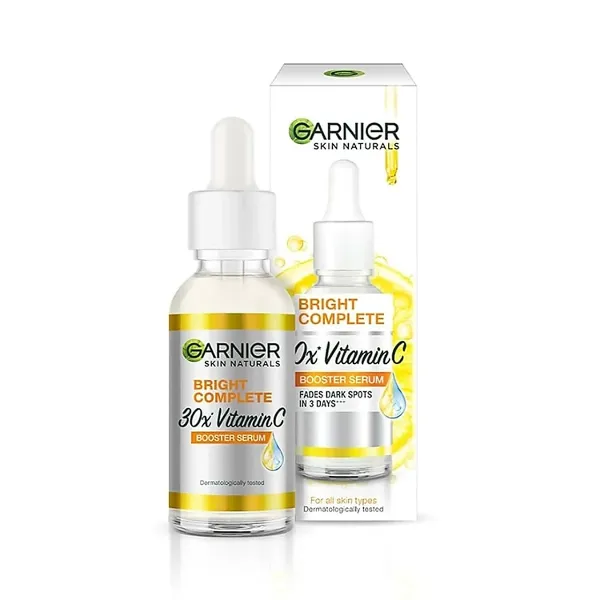
| Garnier Bright Complete Vitamin C Serum - 15Ml | PKR 1,099 | Budget-friendly daily brightening serum |
| Garnier Vitamin C Serum | PKR 600 | Everyday antioxidant protection, all skin types |
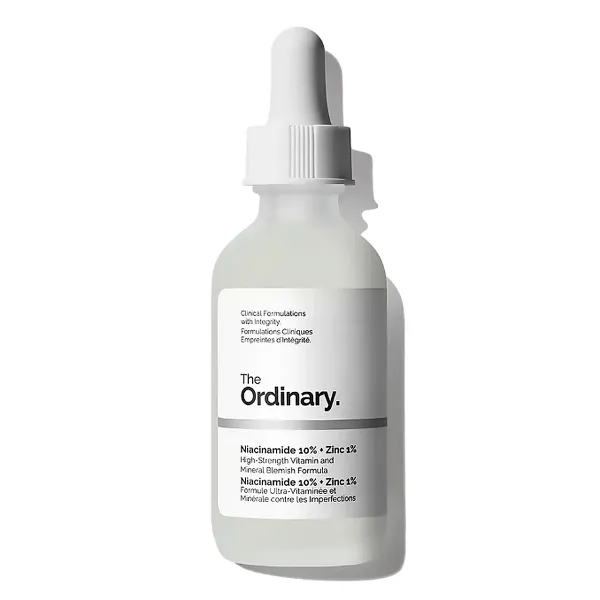
| Niacinamide 10% + Zinc 1% - 30ml | PKR 2,875 | Reducing the look of dark spots and uneven tone |
| The Ordinary Niacinamide 10% + Zinc 1% – 30ml | PKR 3,195 | Oil control plus tone-evening, oily/acne-prone skin |
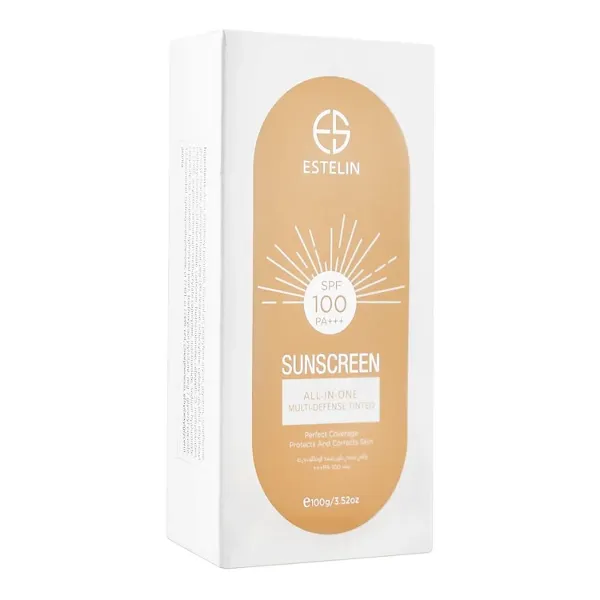
| Estelin - All In One Multi Defense Tinted Sunscreen Spf 100 Pa+++ - 100G | PKR 959 | Daily broad-spectrum SPF with light tint |
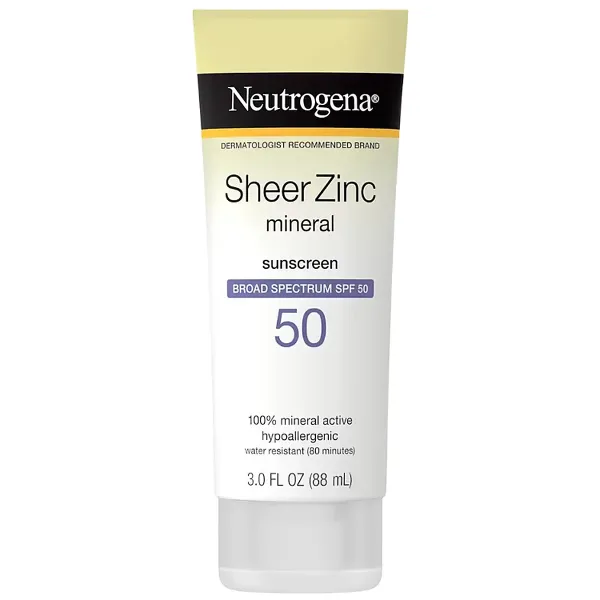
| Neutrogena Sunscreen Broad Spectrum SPF 50 | PKR 4,750 | High-protection daily sunscreen |
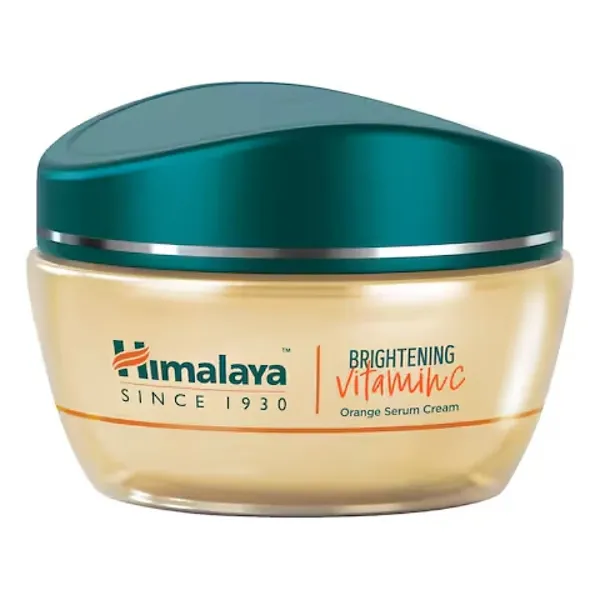
| Himalaya Brightening Vitamin C Orange Serum Cream, 50g | PKR 2,350 | Gentle brightening serum-cream, sensitive skin |
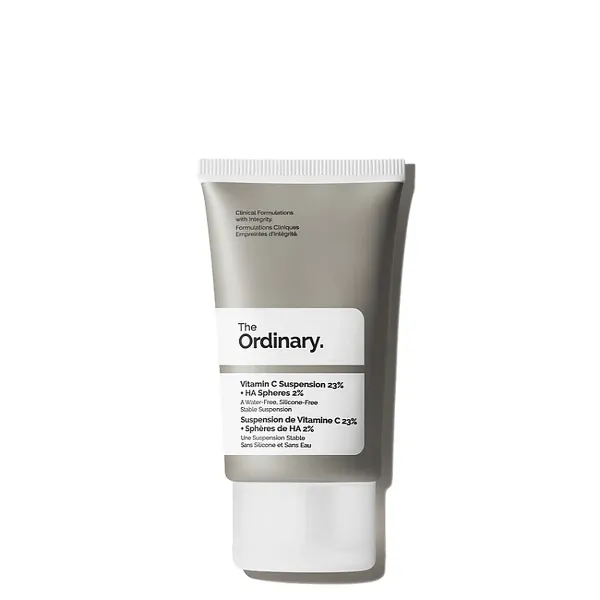
| The Ordinary Vitamin C Suspension 23% + HA Spheres – 30ml | PKR 3,650 | Stronger vitamin C for visible pigmentation, tolerant skin |
Prices correct as of July 2026.
Sunscreen Is Non-Negotiable
Estelin's All In One Tinted Sunscreen SPF 100 PA+++ at PKR 959 gives a light tint alongside very high daily protection, while Neutrogena's Broad Spectrum SPF 50 at PKR 4,750 is a straightforward, dependable daily option. If you take away only one product from this entire page, make it the sunscreen — everything else on this list works better, and works at all, when it's protected from being undone by unprotected sun exposure the next day.
Building a Simple, Evidence-Based Routine
In the morning: cleanse, apply a vitamin C serum such as Garnier's Vitamin C Serum at PKR 600 or Himalaya's Brightening Vitamin C Orange Serum Cream at PKR 2,350, then finish with sunscreen — never skip that last step. At night, a niacinamide serum such as the 10% Niacinamide + Zinc option at PKR 2,875 or The Ordinary's Niacinamide 10% + Zinc 1% at PKR 3,195 helps with both oil control and the look of uneven tone over time. Give it 8 to 12 weeks of consistent daily use before judging results — that's a realistic evidence-based timeline, not the 3-to-7-day promise printed on the tubs we're warning you about.
When to See a Dermatologist
Persistent pigmentation, melasma (the patchy darkening often linked to hormonal changes, pregnancy, or contraceptive use), or dark spots that aren't responding to a consistent sunscreen-and-actives routine after a couple of months are all good reasons to see a dermatologist rather than escalate to something unregulated. Prescription-strength options do exist for stubborn pigmentation, but they need to be selected and monitored by a qualified doctor — not self-administered from an unlabelled tub.
Fair Skin Is Not a Health Outcome
We want to be direct about something the skin whitening cream industry in Pakistan rarely says out loud: lighter skin is not a health goal, and no product should be judged by how much it changes your natural tone. The genuinely worthwhile outcome — the one this entire routine is actually built around — is healthy, even-toned skin: fewer dark spots, calmer redness, a strong daily sun-protection habit, and a skin barrier that hasn't been damaged by an undisclosed steroid or an unsafe concentration of a banned ingredient. That's a goal we can stand behind. Chasing "fairness" through an unlabelled tub isn't.
Shop BigBasket.pk
Featured in This Guide
100% authentic — Cash on Delivery across Pakistan 🇵🇰
Frequently Asked Questions
Are skin whitening creams safe to use in Pakistan?
Many unregulated products marketed as skin-whitening or beauty creams in this category have repeatedly tested positive in independent laboratory analysis for mercury, undisclosed corticosteroids, and hydroquinone at unsafe levels. Not every product sold under these names has been tested, but the pattern across testing is consistent enough that caution, an ingredient list, and a dermatologist's advice are genuinely warranted before use.
What has testing actually found in skin-whitening creams sold in this region?
Independent laboratory testing has repeatedly found mercury in the large majority of unregulated skin-whitening creams sampled, in some cases thousands of times above the internationally recognised 1 ppm safety limit, alongside undisclosed potent steroids such as clobetasol or betamethasone and hydroquinone, which has been banned from cosmetics in the EU since 2001.
Does BigBasket.pk sell Glupatone, Ethiglo, or similar whitening creams?
No, and we never will. BigBasket.pk does not stock any product in the mercury/hydroquinone/steroid-risk whitening cream category. We stock evidence-based pigmentation actives instead — sunscreen, niacinamide and vitamin C serums — with real PKR prices and Cash on Delivery.
What actually helps with dark spots and uneven skin tone?
Daily broad-spectrum sunscreen is the single most important step, since unprotected sun exposure re-triggers pigmentation faster than any treatment can fade it. Alongside that, niacinamide, vitamin C, and (for some skin types) alpha arbutin or azelaic acid have real evidence behind them, with visible results typically building over 8 to 12 weeks of consistent use, not days.
How can I tell if a whitening cream is risky before I buy it?
Red flags include no ingredient list on the packaging, no manufacturer or licence information, promises of visible results in 3 to 7 days, a tub with no brand name sold loose, and a pattern where skin looks temporarily brighter at first but then develops redness, thinning, or burning once you stop using it — that rebound pattern is a classic sign of hidden steroids.
When should I see a dermatologist about pigmentation or melasma?
See a dermatologist if dark patches are spreading, resistant to daily sunscreen and brightening actives after a couple of months, or appeared alongside hormonal changes such as pregnancy — melasma in particular often needs a medically supervised, prescription-strength approach rather than an over-the-counter cream.
Is fair skin actually a health goal?
No — fairness itself isn't a health outcome, and no cream should be evaluated by how much it lightens your natural skin tone. The genuinely worthwhile goal is healthy, even-toned skin: fewer dark spots, less redness, a strong sun-protection habit, and a barrier that isn't damaged by harsh, undisclosed ingredients.
If you're dealing with stubborn pigmentation or melasma, please see a dermatologist rather than reaching for an unlabelled tub — real options exist and deserve proper medical supervision. For the daily evidence-based basics, our The Ordinary, Garnier, Neutrogena, Himalaya and Estelin ranges ship with Cash on Delivery across Karachi, Lahore, Islamabad and the rest of Pakistan, or see our full range at bigbasket.pk/products.
Related Reading
- → Best Glutathione Creams in Pakistan 2026 — Skin Whitening Guide
- → Medicated Whitening Cream in Pakistan: Safe or Risky?
- → Best Hand and Foot Whitening Cream in Pakistan: Honest Guide
- → How Long Does Skin Whitening Really Take in Pakistan?
- → Best Medicated Whitening Cream in Pakistan: The Honest Guide
- → Heaven Dove Whitening Cream Price in Pakistan: The Truth
- → 5 Skin Whitening Mistakes Ruining Results in Pakistan
Price note: Prices mentioned in this guide are snapshots and may change. The linked product page shows the current BigBasket.pk price and availability.
🛒 Order 100% Original Products Online Across Pakistan
Avoid counterfeit batches and overpriced third-party sellers. BigBasket.pk guarantees 100% genuine inventory, fresh batch packaging, fast nationwide dispatch, and Cash on Delivery (COD) across Karachi, Lahore, Islamabad, Rawalpindi, Faisalabad, and all major cities.
Tags
Share this article
Continue this topic
Sunscreen in Pakistan
See the main decision guide, related articles and current product categories in one organised hub.
Explore the topic hubWritten by
Our internal editorial team prepares commercial beauty guides for Pakistan. This organizational byline does not imply medical review; our standards explain sources, product checks and review boundaries.


