










Yes — using retinol and night cream together is one of the safest and most effective ways to introduce a retinoid into your routine, because the night cream buffers the dryness, redness and peeling retinol often causes in its first few weeks. Order and timing matter far more than the products themselves.
This matters even more in Pakistan's climate: dry winter air in Lahore and Islamabad strips moisture fast, while Karachi's AC-heavy indoor air and humidity swings can leave skin dehydrated even in summer. A proper retinol-plus-night-cream routine is built to handle both.
📖 Table of Contents (${Math.min(8, h2Matches.length)} Sections) Tap to Jump ↓
How Retinol and Night Cream Actually Work Together
Retinol is a vitamin A derivative that speeds up cell turnover and nudges collagen production, which is exactly why it smooths texture and softens fine lines over time. The same mechanism also sheds the outer layer of dead skin faster than it can rebuild, which is what causes the classic "retinization" side effects — dryness, flaking, tightness and sometimes redness — especially in the first 2 to 6 weeks.
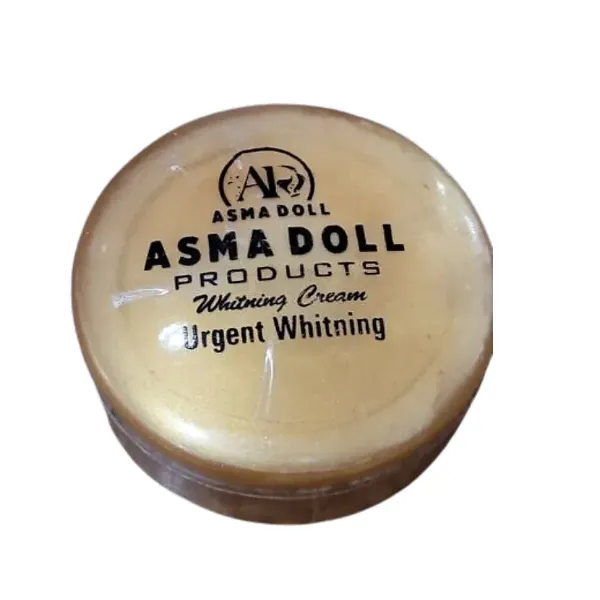
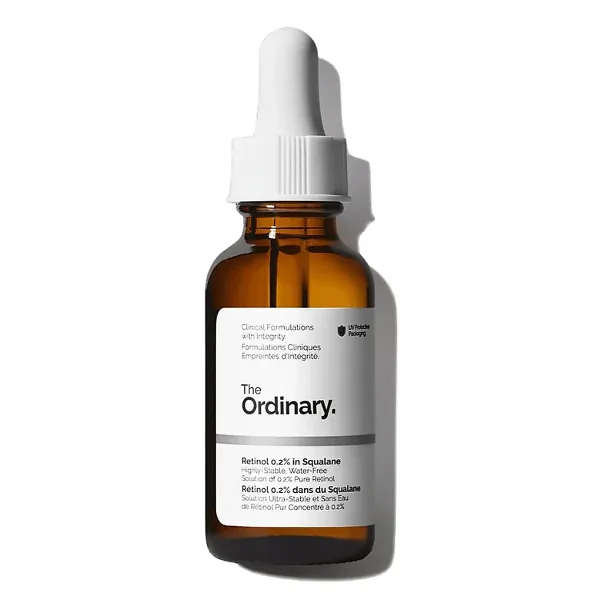
A night cream is a thicker, more occlusive formula than a daytime moisturiser. It is built with emollients and occlusive ingredients that slow water loss through the skin overnight, which is precisely what an irritated, retinol-thinned barrier needs. Pairing something like The Ordinary Retinol 0.2% in Squalane with a rich formula such as Asma Doll Night Cream gives you the cell-turnover benefit of retinol without leaving skin defenceless overnight.
This is not a workaround — it is the standard method recommended for anyone starting retinol, not just people with naturally dry or sensitive skin.
The Correct Order: What Goes On First
Cleanse and let your skin dry completely — damp skin absorbs retinol faster and unevenly, which raises irritation risk. Wait a full 20 to 30 minutes after cleansing in humid weather before applying anything.
Apply a pea-sized amount of retinol serum across the whole face, avoiding the eye area and any broken skin. Let it sink in for 10 to 20 minutes before sealing it under a night cream. In short, the nightly order looks like this:
- Cleanse, then wait until skin is fully dry
- Apply a pea-sized amount of retinol serum
- Wait 10 to 20 minutes for it to absorb
- Apply night cream on top to lock in moisture
If your skin is reactive, sensitive, or you are brand new to retinol, use the "sandwich method" instead: a thin layer of night cream first, then the retinol, then a second light layer of night cream on top. This dilutes direct contact with the retinoid and is a genuinely effective way to reduce stinging and flaking while you build tolerance.
Picking a Retinol Strength That Layers Well With Night Cream
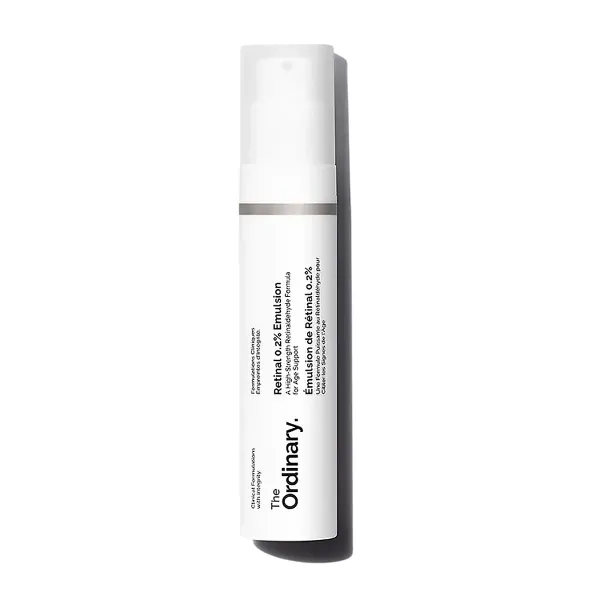
Strength should match your experience level, not your patience. First-time users do best starting with The Ordinary Retinol 0.2% in Squalane or the gentler The Ordinary Retinol 0.2% Emulsion, which is formulated in a lightweight moisturising base rather than a straight oil, giving it a built-in buffer that pairs naturally with a night cream on top.
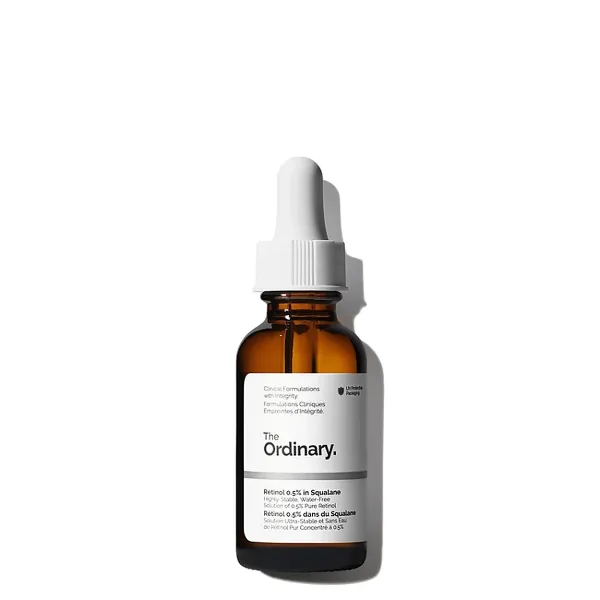
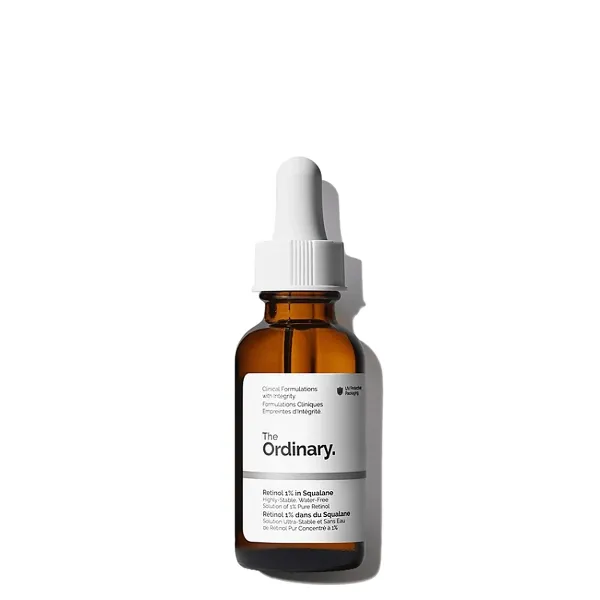
If your skin has tolerated a 0.2% formula for 6 to 8 weeks with no significant flaking, step up to The Ordinary Retinol 0.5% in Squalane. Reserve The Ordinary Retinol 1% in Squalane for experienced users only — jumping to it too early is the fastest way to trigger the exact peeling and sensitivity a night cream is meant to prevent.
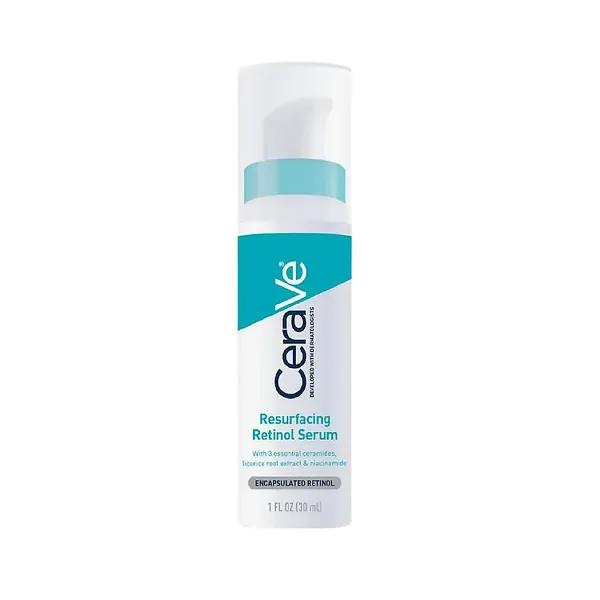
For sensitive or barrier-compromised skin, CeraVe Resurfacing Retinol Serum uses encapsulated retinol released gradually, alongside ceramides and niacinamide, so it tends to feel calmer under a night cream than a straight retinol-in-oil formula even at a comparable strength.
| Product | What It Is | Price (PKR) | Best For |
|---|---|---|---|
| The Ordinary Retinol 0.2% in Squalane – 30ml | Beginner 0.2% retinol serum | PKR 3,950 | First-time retinol users |
| Asma Doll Night Cream | Classic emollient night cream | PKR 1,700 | Buffering and locking in moisture |
| The Ordinary Retinol 0.2% Emulsion - 15ml | Retinol in emulsion base | PKR 7,800 | Sensitive, dry or reactive skin |
| CeraVe Resurfacing Retinol Serum – 30ml | Retinol with ceramides and niacinamide | PKR 6,700 | Barrier-support while layering |
| The Ordinary Retinol 0.5% In Squalane – 30ml | Mid-strength 0.5% retinol | PKR 4,950 | Building tolerance after 0.2% |
| The Ordinary Retinol 1% In Squalane – 30ml | Maximum strength 1% retinol | PKR 4,195 | Experienced retinol users only |
Prices correct as of July 2026. Cash on Delivery available across Pakistan.
How Often to Use Retinol Under Your Night Cream
Start at 2 to 3 nights a week — for example Monday, Wednesday and Saturday — and keep at least one full day between applications for the first month. Wear night cream every single night, including the nights you skip retinol, so your barrier is never left to fend for itself.
If skin looks calm after 3 to 4 weeks with no persistent redness or flaking, increase to every other night, then nightly if your skin continues to tolerate it well. Most people never need nightly 1% retinol — even every other night at 0.2% to 0.5% delivers real results over 8 to 12 weeks when applied consistently and buffered correctly.
Do not apply retinol and night cream on the same finger swipe or mix them in your palm before application — layering them as two distinct steps, with the absorption gap in between, keeps both working as intended.
What Not to Combine With Retinol at Night
Keep vitamin C for the morning. Retinol and vitamin C can each be effective, but layering them in the same PM routine tends to destabilise both and increases irritation for no real benefit — use a serum such as Cosrx The Vitamin C 23 Serum, Garnier Bright Complete Vitamin C Booster Serum, or CeraVe Vitamin C Serum with Hyaluronic Acid in the morning instead, followed by sunscreen.
Avoid stacking AHA or BHA exfoliating acids on the same night as retinol — both increase cell turnover, and combined they can over-exfoliate a barrier that is already adjusting. Sun protection the next morning is non-negotiable, since retinol-treated skin is more photosensitive.
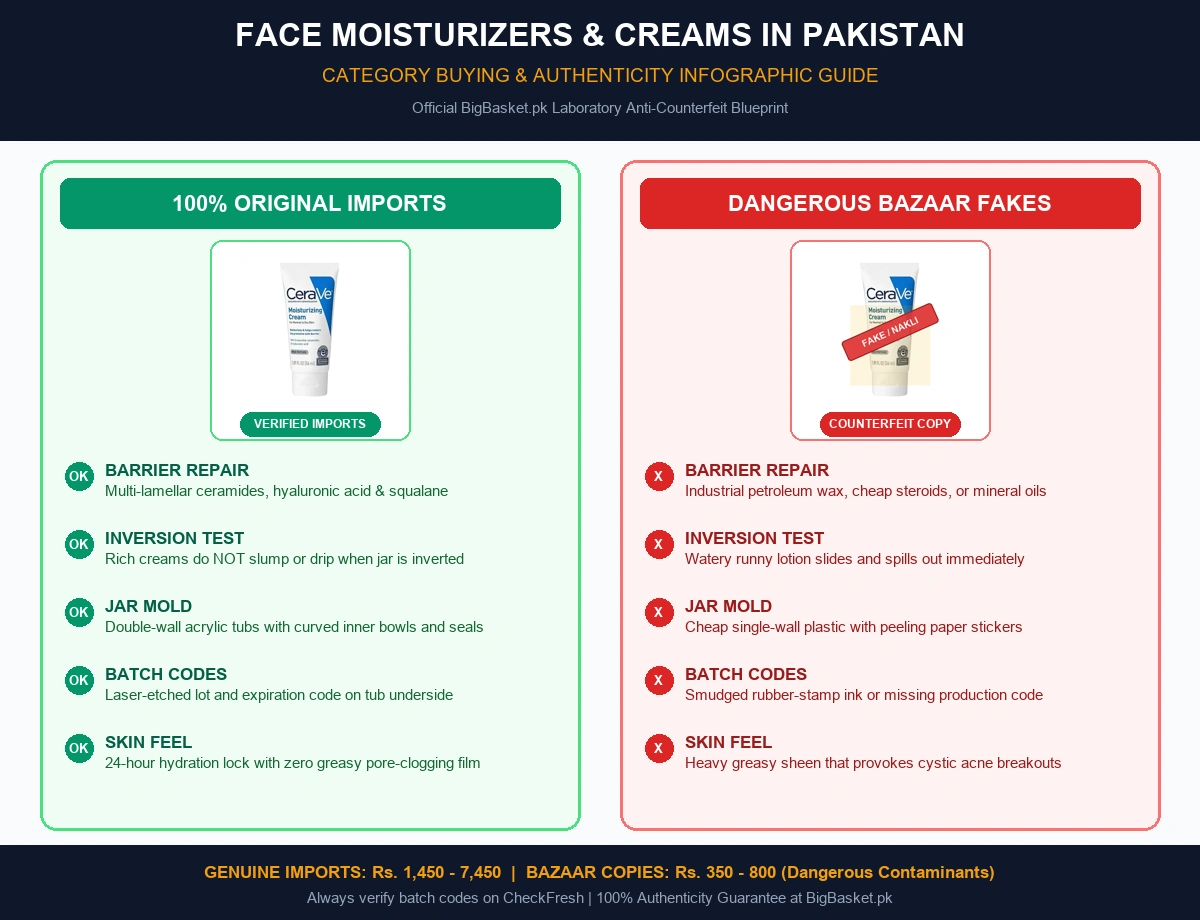
Be cautious with retinol products bought loose or unsealed from open markets — counterfeit or degraded retinol (it breaks down with light and heat exposure) is a real risk in Pakistan and can cause irritation without any of the benefit. Buying sealed, authentic stock with Cash on Delivery is the safer route.
Building a Full Night Routine Around Retinol and Night Cream
A simple, repeatable PM sequence: cleanse, wait until skin is fully dry, apply retinol, wait 10 to 20 minutes, then apply night cream. For very dry, mature, or first-time retinol skin, you can add a hydrating serum before the retinol step to soften the delivery — CeraVe Hydrating Hyaluronic Acid Serum or L'Oreal Paris Revitalift 1.5% Hyaluronic Acid Face Serum both work well in this slot without diluting the retinol's effect.
Keep the rest of the routine simple while your skin adjusts — this is not the phase to introduce new actives every few nights. Give any single change at least 2 weeks before judging whether it agrees with your skin, and drop back to the sandwich method or a lower frequency the moment you see persistent redness rather than pushing through it.
Browse the full range of retinol serums and night creams in BigBasket.pk's Skin Care category to build a routine suited to your skin type and budget.
Common Mistakes
- Applying retinol onto damp skin right after cleansing, which speeds up absorption and increases irritation.
- Skipping night cream on the nights you don't use retinol, leaving the barrier dry the rest of the week.
- Jumping straight to a 1% retinol before the skin has built tolerance at 0.2% or 0.5%.
- Mixing retinol serum and night cream together in the palm instead of applying them as separate layers.
- Using retinol and vitamin C serum in the same evening routine instead of splitting them across AM and PM.
- Buying loose, unsealed "retinol cream" from open markets, where counterfeit or heat-degraded product is common.
Shop BigBasket.pk
Products Featured in This Article
100% authentic — Cash on Delivery across Pakistan
Frequently Asked Questions
Should retinol or night cream go on first?+
Retinol goes on first, on clean, fully dry skin. Wait 10 to 20 minutes for it to absorb, then apply your night cream on top to seal in moisture and calm any tightness. Applying them in the reverse order dilutes the retinol before it can work.
Can I use retinol and night cream together every night as a beginner?+
Not at first. Start with 2 to 3 nights a week, such as Monday, Wednesday and Saturday, and wear night cream every night regardless. Build up to alternate nights and then nightly over 6 to 12 weeks as your skin adjusts.
What if my skin still stings or peels after layering retinol and night cream?+
Switch to the sandwich method — a thin layer of night cream, then the retinol, then another light layer of night cream — and cut back to once or twice a week until the irritation settles. Persistent stinging usually means the strength or frequency needs to drop, not that layering itself is the problem.
Can I mix retinol serum directly into my night cream before applying?+
It is better to apply them as two separate layers rather than mixing them in your palm. Mixing dilutes the retinol unevenly across the face and makes it harder to control how much active ingredient each area of skin actually receives.
Is it safe to use vitamin C serum with retinol and night cream in the same routine?+
Keep them apart — use a vitamin C serum such as Cosrx The Vitamin C 23 Serum or Garnier Bright Complete Vitamin C Booster Serum in the morning under sunscreen, and save retinol plus night cream for the evening. Combining both actives in one PM routine raises irritation risk without added benefit.
How long until I see results from retinol used under a night cream?+
Most people notice smoother texture and fewer breakouts within 8 to 12 weeks of consistent use. Visible improvement in fine lines and pigmentation typically takes 3 to 6 months, since retinol works through gradual cell turnover rather than an instant effect.
The Short Version
Yes, using retinol and night cream together is safe and recommended — apply a pea-sized retinol serum like The Ordinary Retinol 0.2% in Squalane on dry skin, wait 15-20 minutes, then seal it in with a rich night cream. Start 2-3 nights a week and build up slowly as your skin adjusts.
Related Reading
- → Best Retinol Creams in Pakistan 2026 — Anti-Ageing That Actually Works
- → Retinol vs Retinoid: Which One Does Your Skin Actually Need?
- → Retinol Guide for Beginners — How to Start Safely in Pakistan
- → Best Serums in Pakistan: Vitamin C, HA & Retinol Guide
- → Tretinoin vs Retinol — Which Is Better for Pakistani Skin in 2026?
- → Bakuchiol in Pakistan — The Natural Retinol Alternative for Sensitive & Pregnant Skin
Price note: Prices mentioned in this guide are snapshots and may change. The linked product page shows the current BigBasket.pk price and availability.
Looking for verified, 100% original using retinol and night cream together? Genuine stock in Pakistan ranges from Rs. 4,334 to Rs. 5,114 depending on packaging format and volume. Authentic items feature verifiable manufacturer batch codes, tamper-evident seals, and are backed by express 24-48h nationwide delivery and Cash on Delivery (COD) across Pakistan via BigBasket.pk.
- Guaranteed Authenticity: 100% genuine fresh batch stock sourced from authorized brand distributors.
- Competitive Pricing: Direct-to-consumer savings with transparent rates and exclusive bundle deals.
- Nationwide Express Dispatch: Delivered across Karachi, Lahore, Islamabad, and nationwide in 24-48 hours.
The Ordinary Retinol 0.2% in Squalane – 30ml
🛒 Order 100% Original Products Online Across Pakistan
Avoid counterfeit batches and overpriced third-party sellers. BigBasket.pk guarantees 100% genuine inventory, fresh batch packaging, fast nationwide dispatch, and Cash on Delivery (COD) across Karachi, Lahore, Islamabad, Rawalpindi, Faisalabad, and all major cities.
Shop BigBasket.pk
Products Mentioned in This Article
Explore our full skincare range — cleansers, serums, moisturizers & SPF
Shop SkincareTags
Share this article
Continue this topic
Acne and pigmentation care
See the main decision guide, related articles and current product categories in one organised hub.
Explore the topic hubWritten by
Our internal editorial team prepares commercial beauty guides for Pakistan. This organizational byline does not imply medical review; our standards explain sources, product checks and review boundaries.
