



Key Takeaway
Physical exfoliants buff dead skin away manually; chemical exfoliants (AHA/BHA) dissolve it with acids. Here's which one actually suits your skin type and climate in Pakistan.
Physical vs chemical exfoliation for skin comes down to one core difference: physical exfoliation manually buffs dead skin cells away with a scrub, brush or textured cloth, while chemical exfoliation uses acids like glycolic or salicylic acid to dissolve the bonds holding those cells together, with no scrubbing involved at all. For most skin types common in Pakistan — oily and acne-prone in humid Karachi, dry and easily irritated through Lahore and Islamabad winters, and melanin-rich tones prone to dark marks — chemical exfoliation is usually the safer, more consistent choice, though a gentle physical step still has its place.
This guide breaks down how each method actually works, which one fits your skin type and main concern, how to use both without damaging your barrier, and why sunscreen isn't optional afterward either way.
What Physical Exfoliation Really Does
Physical exfoliation is the manual route: a scrub with granules, a konjac sponge, a muslin cloth, or a cleansing brush that mechanically buffs dead skin cells off the surface. The action is friction — you feel it working immediately, and skin looks smoother right after rinsing because you've physically removed the top layer of buildup.
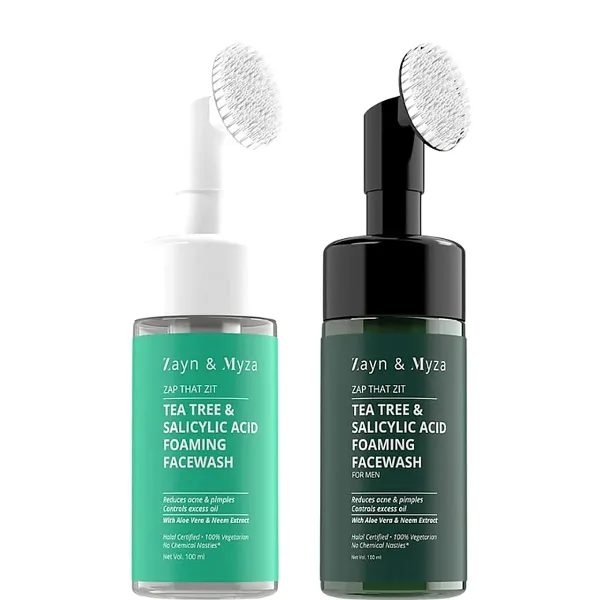
The catch is control. Walnut-shell and apricot-kernel scrubs, still common on Pakistani market shelves, have jagged edges under a microscope that can create micro-tears you can't see. On wheatish, tan and deeper skin tones, that micro-trauma is what triggers post-inflammatory hyperpigmentation — dark marks that outlast the original breakout or irritation by months. A cleansing brush with soft silicone or nylon bristles, like the one built into the Zayn & Myza Tea Tree & Salicylic Acid Foaming Cleanser, is a gentler physical option because the bristles flex instead of scraping.
Physical exfoliation works best on skin that's already healthy and non-inflamed — it has no business being used over active acne, sunburn, or freshly threaded or waxed skin. It also can't reach inside a clogged pore the way an oil-soluble acid can, so for blackheads and congestion it's mostly cosmetic, not corrective.
What Chemical Exfoliation Really Does (AHA vs BHA)
Chemical exfoliation skips the scrubbing. Acids loosen the bonds holding dead skin cells together so they shed on their own, leaving the surface smoother without any friction. Two acid families dominate the category, and they do different jobs.
Glycolic acid (an AHA, alpha hydroxy acid) is water-soluble and works on the skin's surface. It's the go-to for dullness, rough texture, uneven tone and early sun damage — The Ordinary Glycolic Acid 7% Exfoliating Toner (also sold in a smaller 100ml size) is the benchmark starter concentration, wiped on with a cotton pad at night.
Salicylic acid (a BHA, beta hydroxy acid) is oil-soluble, so it can travel down into a pore lining and dissolve the oil-and-debris plug from the inside — which is why it's the standard for blackheads, whiteheads and oily, acne-prone skin. The Ordinary Salicylic Acid 2% Solution is the leave-on liquid version; the brand also sells it as a clay-based 2% Masque for a weekly deep-clean and an oil-based Anhydrous Solution for drier skin that still needs pore care.
Neither acid scrubs anything — they dissolve, so there's no abrasion risk, but they do make skin temporarily more sun-sensitive.
Which Suits Your Skin Type and Concern
Match the method to your skin type and main complaint, not to whichever one is trending.
Oily or acne-prone, especially in Karachi's humidity where sweat and sebum build up fast: salicylic acid is the better long-term tool because it works inside the pore. The Ordinary Salicylic Acid 2% Solution or the Zayn & Myza Foaming Cleanser with built-in brush cover both the chemical and the light physical side.
Dull, sun-exposed or uneven tone: glycolic acid resurfaces the top layer and improves how light reflects off skin — The Ordinary Glycolic Acid 7% Toner is the practical starting point.
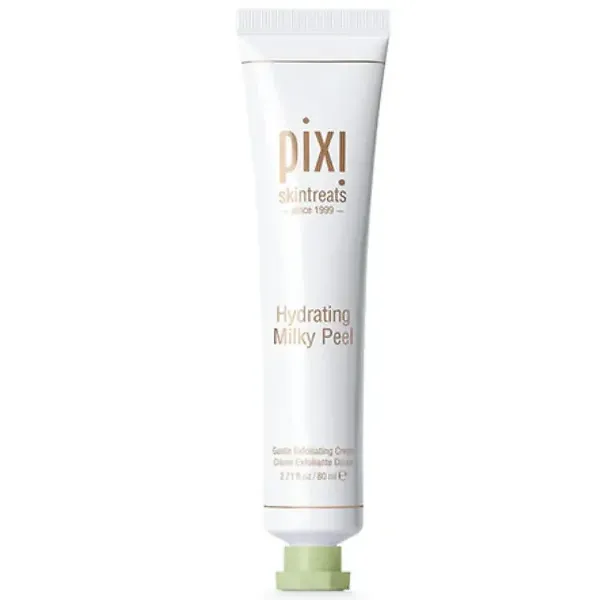
Dry or sensitive, common in Lahore and Islamabad's dry winters: skip coarse scrubs entirely and skip high-percentage acids too. A gentle, hydrating formula like Pixi Hydrating Milky Peel Gentle Exfoliating Cream exfoliates while adding moisture back rather than stripping it.
Combination skin: it's fine to be zone-specific — a BHA on an oily T-zone, nothing stronger than a gentle cream on drier cheeks.
Deeper, melanin-rich skin tones (wheatish, tan, brown): chemical exfoliation is generally the safer default because it doesn't rely on friction, which is the main trigger for the dark marks that take longest to fade on richer skin tones.
| Product | What It Is | Price (PKR) | Best For |
|---|---|---|---|
| The Ordinary Glycolic Acid 7% Exfoliating Toner – 240ml | Classic AHA toner | See current price on the linked product page | Dull, uneven-tone skin |
| The Ordinary Salicylic Acid 2% Solution | Targeted BHA treatment | See current price on the linked product page | Oily, acne-prone skin |
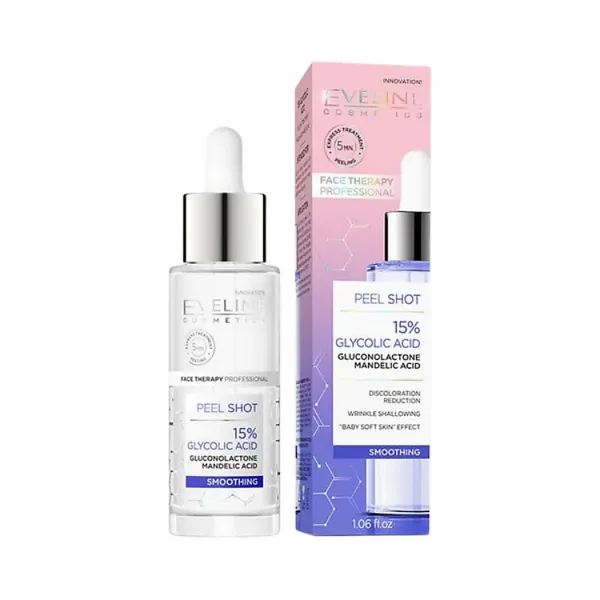
| Eveline Peel Shot 15% Gycolic Acid 30Ml | Strong weekly peel | See current price on the linked product page | Experienced acid users |
| Zayn & Myza Tea Tree & Salicylic Acid Foaming With Built-In Deep Cleansing Brush (For Women) | Physical + chemical hybrid | See current price on the linked product page | Oily skin, budget pick |
| Pixi Hydrating Milky Peel Gentle Exfoliating Cream 80Ml | Gentle exfoliating cream | See current price on the linked product page | Dry, sensitive, beginner skin |
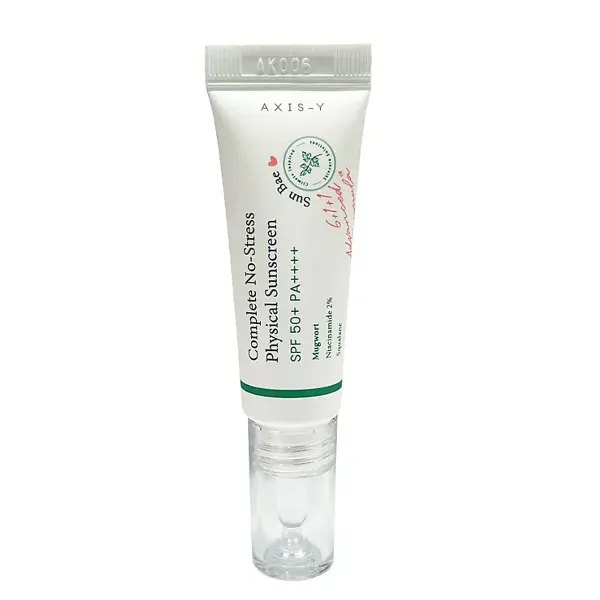
| Axis-Y Complete No-Stress Physical Sunscreen/10Ml | Mineral SPF aftercare | See current price on the linked product page | Post-exfoliation sun protection |
Prices correct as of July 2026. Cash on Delivery available across Pakistan.
How to Use Each One Safely
Both methods work — the mistakes happen in frequency and combinations, not in the products themselves.
For chemical exfoliants: patch test on your inner arm for 24 hours before first face use. Start low and slow — 2 to 3 nights a week with a mild toner like the Ordinary Glycolic Acid 7% before working up to nightly. A stronger take-home peel like Eveline Peel Shot 15% Glycolic Acid is a once-a-week treatment for skin that's already tolerant of acids, not a first exfoliant — leave it on for the time stated on the bottle and rinse, don't extend it hoping for faster results.
For physical exfoliants: once or twice a week is the ceiling, with light pressure — let the product do the work, not your hand. Never use a brush or scrub over active breakouts, cuts, sunburn or skin that's just had threading, waxing or a facial.
The rule that causes the most damage when broken: don't stack a scrub and a strong acid on the same day, and don't layer glycolic and salicylic acid together unless a formula is specifically designed to combine them. Doing both at once compounds the irritation instead of the results, and it's the fastest way to a compromised moisture barrier — redness, tightness, and skin that stings when anything touches it.
Why This Matters More in Pakistan's Climate
Pakistan's climate makes the physical-vs-chemical choice matter more than it might elsewhere. In Karachi's humidity, oil and sweat build up faster, which tempts people to scrub daily — but daily scrubbing just inflames the skin further and makes oil production worse, not better. A BHA that works inside the pore handles the actual congestion instead.
In Lahore and Islamabad's dry winters, the opposite mistake shows up: people keep exfoliating, physically or chemically, at summer frequency while the air is stripping moisture at the same time, and the barrier gives out — flaking, stinging, sensitivity to products that were fine a month earlier.
There's also a local-market risk worth naming plainly: loose "acid peels" and scrubs sold without sealed packaging, batch codes or listed concentrations are common in open markets, and there's no way to verify what percentage of acid — or what acid at all — is actually in the bottle. A mislabelled high-strength peel used at home can cause chemical burns. Buying sealed, authentic products with the concentration printed on the label, like The Ordinary's 7% glycolic toner, with Cash on Delivery is the safer route than an unmarked jar from a local stall.
Aftercare: Sunscreen Is Not Optional
Exfoliation of any kind — physical or chemical — leaves the newest, most UV-sensitive skin cells exposed on the surface. Skip sunscreen afterward and you trade dullness for something worse: sun-triggered dark patches that are much harder to fade, especially on wheatish and brown skin tones under Pakistan's strong year-round sun.
This is the one non-negotiable step regardless of which exfoliation method you use. Axis-Y Complete No-Stress Physical Sunscreen is a good option for exfoliated, sensitised skin because it's a mineral (zinc oxide/titanium dioxide) formula that sits on top of skin rather than being absorbed into it — worth clarifying that "physical sunscreen" here uses the word "physical" differently than physical exfoliation; it describes how the SPF filters UV, not scrub particles.
Apply it every morning you've used an acid or a scrub the night before, not just on the day you exfoliated. Skin stays more sun-reactive for at least 24 to 48 hours afterward, so the SPF habit needs to hold daily, not just on exfoliation days.
Common Mistakes
- Using a gritty scrub and a strong acid like Eveline Peel Shot on the same day, which strips the moisture barrier instead of speeding results.
- Skipping sunscreen after exfoliating — this is what actually causes dark patches on wheatish and brown skin tones, not the exfoliation itself.
- Buying loose, unsealed "acid peels" or scrubs from local markets with no listed concentration or batch code.
- Scrubbing over active acne, sunburn or freshly threaded skin, which spreads bacteria and worsens inflammation.
- Jumping straight to a 15% glycolic peel without first building tolerance with a lower-percentage toner.
Shop BigBasket.pk
Products Featured in This Article
100% authentic — Cash on Delivery across Pakistan


Frequently Asked Questions
What's the actual difference between physical and chemical exfoliation?+
Physical exfoliation manually buffs dead skin cells off with a scrub, brush or textured cloth. Chemical exfoliation uses acids like glycolic acid (AHA) or salicylic acid (BHA) to dissolve the bonds holding dead cells together, so they shed without any scrubbing. Chemical exfoliation is generally more even and carries less risk of micro-tears than physical methods.
Which is better for acne-prone and oily skin, physical or chemical exfoliation?+
Chemical, specifically salicylic acid (BHA), because it's oil-soluble and can get inside a clogged pore to dissolve the debris causing blackheads and breakouts. The Ordinary Salicylic Acid 2% Solution (See current price on the linked product page) is a targeted option, and the Zayn & Myza Tea Tree & Salicylic Acid Foaming Cleanser with built-in brush (See current price on the linked product page) combines it with a gentle physical step.
Can I use a scrub and a chemical exfoliant on the same day?+
It's not recommended. Layering physical friction with an acid like glycolic or salicylic acid on the same day compounds irritation rather than results, and is one of the fastest ways to damage your skin barrier. Alternate them across different days, or pick one method and stick with it.
Is glycolic acid or salicylic acid better for Pakistani combination skin?+
It depends on the zone. Salicylic acid works better on an oily T-zone prone to congestion, especially in humid cities like Karachi, while glycolic acid suits drier cheeks that need brightening rather than pore care. Many people use The Ordinary Salicylic Acid 2% Solution and Glycolic Acid 7% Toner on alternating nights rather than mixing them in one application.
How often should I exfoliate — physically or chemically?+
Chemical exfoliants like The Ordinary Glycolic Acid 7% Toner can typically be used 3 to 4 nights a week once skin is used to them. Physical exfoliation should stay capped at once or twice a week, since scrubs and brushes carry a higher risk of micro-tears if overused.
Is the Eveline Peel Shot 15% Glycolic Acid safe for a beginner?+
Not as a first exfoliant. Fifteen percent is a strong concentration meant for skin that has already built tolerance to acids, so it's a once-a-week treatment, not a starting point. Beginners are better off starting with a lower-percentage product like The Ordinary Glycolic Acid 7% Exfoliating Toner and working up gradually.
The Short Version
TL;DR: Physical exfoliation (scrubs, brushes) manually buffs off dead skin and works fast but risks micro-tears and dark marks on deeper skin tones; chemical exfoliation (AHA/BHA) dissolves the same buildup with acids and is gentler and more precise — glycolic acid for dullness, salicylic acid for oily or acne-prone skin. Either way, follow up with daily SPF.
Related Reading
- → Chemical vs Physical Exfoliants for Oily, Acne-Prone Skin
- → Chemical vs Mineral Sunscreen: Best Pick for Wheatish Skin
- → Matte vs Dewy Foundation: Which Finish Suits Your Skin?
- → Hot Wax vs Cold Wax: Which Suits Sensitive Skin?
- → Garnier Skin Active in Pakistan — Which Products Are Worth Buying
- → Retinol vs Retinoid: Which One Does Your Skin Actually Need?
Price note: Prices mentioned in this guide are snapshots and may change. The linked product page shows the current BigBasket.pk price and availability.