



Key Takeaway
Humectants pull water into skin, emollients smooth it, and occlusives lock it in — here's how each works and which CeraVe cream covers all three.
Humectants pull water into the skin, emollients smooth and soften it by filling in gaps between skin cells, and occlusives seal that moisture in with a physical barrier — a good moisturizer usually needs at least two of the three working together. The debate over humectants vs emollients vs occlusives isn't about picking one winner; it's about understanding which job each ingredient does so you can actually read a label and know what a cream will do for your skin.
All ten CeraVe formulas we stock at BigBasket.pk are built on this exact science — ceramides (emollient) plus hyaluronic acid (humectant) plus, in the richer jars, petrolatum (occlusive) — so this guide uses them as real, in-stock examples of each category rather than sending you shopping elsewhere.
What Humectants Actually Do
Humectants work by drawing water toward the skin — either pulling moisture from the air when humidity is high, or pulling it up from the deeper layers of your own skin when the air is dry. You'll find hyaluronic acid, one of the most effective humectants, listed on every CeraVe moisturizer in our skin care section, which is why these creams feel hydrating within minutes rather than just sitting on top of skin.
- Common humectants: hyaluronic acid, glycerin, urea, panthenol, sorbitol, honey
- What they do: pull water molecules into the outer skin layer
- What they don't do: seal that water in on their own
The catch is that a humectant used alone, especially in Lahore or Islamabad's dry winter air or under an air conditioner in Karachi, can actually pull water out of the lower skin layers toward the surface and let it evaporate — leaving skin tighter than before. That's why humectants are almost never sold as the only active ingredient in a serious moisturizer; they need an emollient and often an occlusive layered on top to hold the water they've drawn in.
What Emollients Actually Do
Emollients don't pull in extra water — they fill the microscopic gaps between flaky, uneven skin cells so the surface feels smoother and looks less dull or ashy. Typical emollients include fatty acids, cholesterol, squalane, plant oils, and ceramides. CeraVe's entire range is built around three ceramides (1, 3 and 6-II), the same lipids your skin barrier naturally uses to hold cells together, delivered through its patented MVE (MultiVesicular Emulsion) technology for slow release over roughly 24 hours.
This is the category that does the real repair work over time. A humectant hydrates today; an emollient like the ceramides in CeraVe Moisturizing Cream gradually rebuilds a compromised barrier over weeks of consistent use, which is why dermatologists recommend ceramide creams specifically for eczema-prone, rough, or post-exfoliation skin rather than a plain humectant gel.
What Occlusives Actually Do
Occlusives form a physical film on the skin's surface that blocks water from evaporating out — they don't add hydration themselves, they trap what's already there. Petrolatum is the most studied and effective occlusive available, cutting water loss from skin by around 98% in clinical measurements, followed by lanolin, mineral oil, dimethicone, and beeswax.
Among the products we stock, the richer jar formulas — CeraVe Moisturizing Cream, Body and Face Moisturizer and its smaller 56ml jar — contain petrolatum, which is why they feel noticeably thicker and are the ones recommended for cracked heels, eczema-prone patches, or the kind of severe dryness that shows up as visible white flaking on wheatish and deep skin tones. The lighter Daily Moisturizing Lotion carries less occlusive weight, so it sinks in faster and suits everyday use in Karachi's humidity without feeling greasy.
| Product | What It Is | Price (PKR) | Best For |
|---|---|---|---|
| CeraVe Moisturizing Cream, Body and Face Moisturizer | All three types combined | See current price on the linked product page | Very dry, eczema-prone skin |
| CeraVe Daily Moisturizing Lotion – 87ml | Humectant-led, light finish | See current price on the linked product page | Humid climate, oily-combo skin |
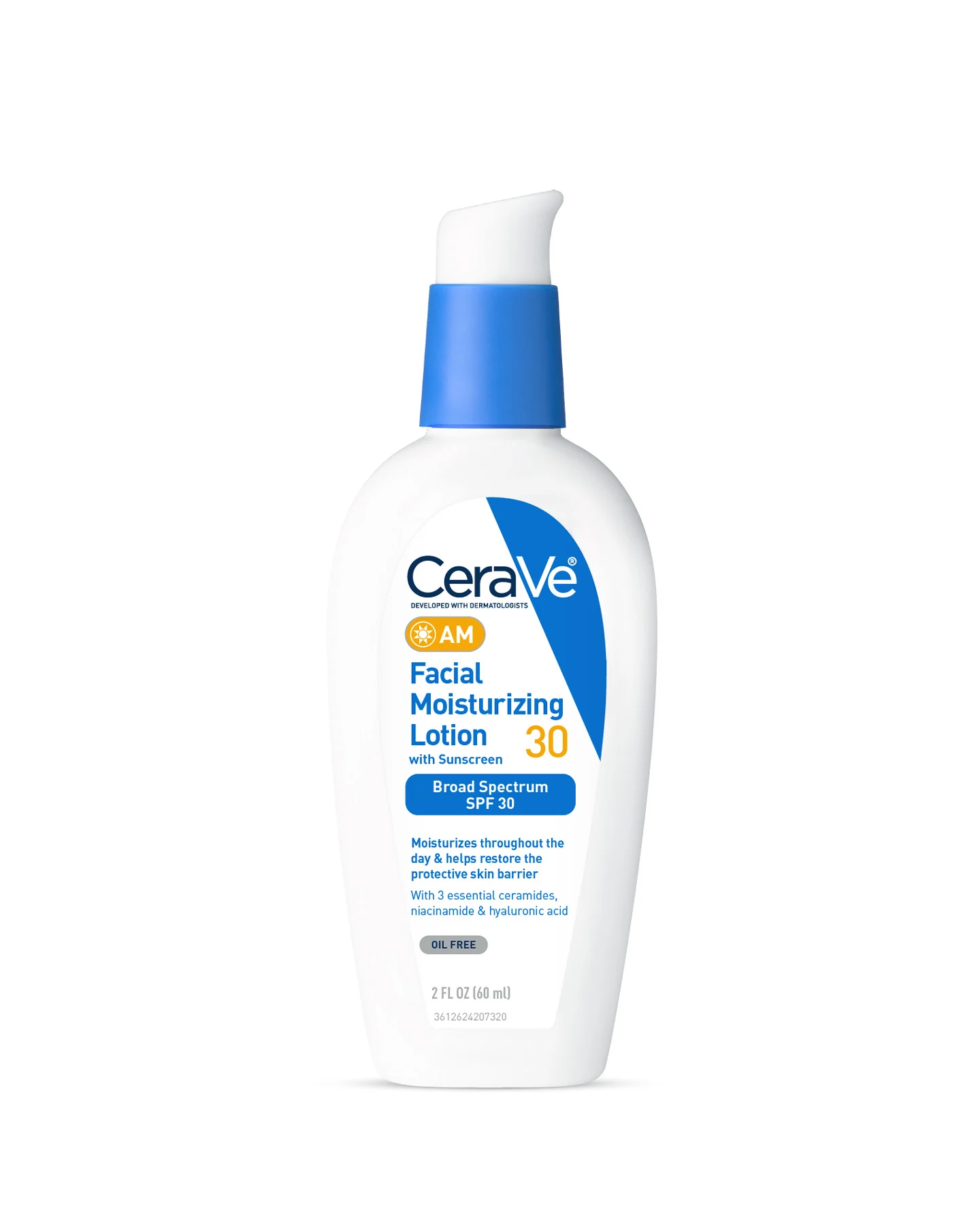
| CeraVe AM Facial Moisturizing Lotion – 60ml | Balanced daytime facial formula | See current price on the linked product page | Daily face moisturizing |
| CeraVe PM Facial Moisturizing Lotion 60ml | Richer formula with niacinamide | See current price on the linked product page | Overnight barrier repair |
| CeraVe Moisturizing Cream – 56ml | Same rich formula, travel size | See current price on the linked product page | First-time trial size |
Prices correct as of July 2026. Cash on Delivery available across Pakistan.
Why the Best Moisturizers Use All Three Together
None of these three ingredient types does a complete job alone — a humectant without a seal evaporates, an emollient without water to hold has nothing to lock in, and an occlusive on bare dry skin just traps dryness. The reason CeraVe's formulas are dermatologist-recommended across the board is that each one deliberately layers hyaluronic acid (humectant), ceramides (emollient), and, in the cream formulas, petrolatum (occlusive) into a single product instead of asking you to buy three separate ones.
The AM and PM facial lotions show this balance tuned for time of day: CeraVe AM Facial Moisturizing Lotion is formulated lighter for wearing through a hot Karachi afternoon, while CeraVe PM Facial Moisturizing Lotion adds niacinamide and a richer feel meant to work overnight when your skin barrier does most of its repair. Both still carry the same core ceramide-plus-hyaluronic-acid base — the daypart difference is mainly in how much occlusive weight and finish they add.
Matching the Balance to Pakistan's Climate and Skin Type
Karachi's coastal humidity means skin loses less water to the air most of the year, so a humectant-forward, lighter lotion — like the CeraVe Daily Moisturizing Lotion — is often enough for normal, combination, or oily skin, and it absorbs fast without a heavy film. Lahore and Islamabad's dry winters, plus indoor heating and air conditioning that strip humidity year-round, call for more occlusive backup: the thicker CeraVe Moisturizing Cream holds up better against that moisture loss.
Skin type matters as much as geography. Very dry, mature, or eczema-prone skin — and skin that shows visible flaking or ashiness on tan, brown, or deep tones — generally does better with a petrolatum-containing cream applied while skin is still damp. Oily and acne-prone skin still needs a humectant and emollient, since skipping moisturizer altogether tends to trigger more oil production, not less; it just needs less occlusive weight, which is exactly where the lighter lotion or the AM facial formula fits in.
How to Layer by Texture, and Avoid Fake Jars
Apply skincare from thinnest to thickest for the layers to actually absorb:
- A humectant serum or toner first, on slightly damp skin
- An emollient-rich moisturizer next, such as CeraVe Moisturizing Cream, to smooth and begin sealing
- A purely occlusive layer on top only if a patch is genuinely very dry, such as at night
Applying an occlusive-heavy cream on completely dry skin with nothing underneath skips the hydration step entirely and just traps the dryness in place — the single most common way people misuse a good moisturizer. And because ceramide-and-MVE technology can't be verified by eye, buying CeraVe from unverified stalls in local markets carries real counterfeit risk; a fake jar that looks identical on the shelf won't deliver the barrier repair the real formula is built for. Ordering from BigBasket.pk's skin care section with Cash on Delivery available nationwide is the safer way to know the ceramides, hyaluronic acid, and petrolatum you're paying for are actually in the jar.
Common Mistakes
- Applying a rich, petrolatum-heavy cream on completely dry skin with nothing underneath — it just traps the dryness instead of sealing in hydration.
- Relying on a hyaluronic acid serum alone in Lahore or Islamabad's dry winter air without an emollient or occlusive layered on top.
- Skipping moisturizer entirely on oily or acne-prone skin, which often triggers more oil production rather than less.
- Buying CeraVe from unverified local market stalls, where counterfeit jars can't replicate the real ceramide-MVE technology.
- Layering products thickest-to-thinnest instead of thinnest-to-thickest, which blocks humectants and emollients from absorbing at all.
- Assuming any 'hydrating' cream is doing all three jobs — many budget moisturizers are humectant-only and evaporate without a sealing step.
Shop BigBasket.pk
Products Featured in This Article
100% authentic — Cash on Delivery across Pakistan




Frequently Asked Questions
What's the difference between a humectant, an emollient, and an occlusive?+
A humectant (like hyaluronic acid or glycerin) draws water into the skin, an emollient (like ceramides or squalane) smooths rough texture by filling gaps between skin cells, and an occlusive (like petrolatum) seals the surface to stop that water evaporating. Most effective moisturizers, including CeraVe's ceramide creams, combine all three rather than relying on just one.
Can I just use a hyaluronic acid serum without a moisturizer on top?+
Not reliably, especially in Lahore or Islamabad's dry winter air or under air conditioning — a humectant alone can pull water from your own skin toward the surface and then let it evaporate, leaving skin drier. Follow it with an emollient-occlusive moisturizer such as CeraVe Moisturizing Cream to actually lock the hydration in.
Does the petrolatum in CeraVe Moisturizing Cream clog pores?+
No — petrolatum is non-comedogenic and one of the most clinically studied occlusives, shown to cut water loss from skin by around 98%. It's the ingredient that makes CeraVe Moisturizing Cream, available in 56ml and 236ml jars at BigBasket.pk, suitable for very dry, cracked, or eczema-prone skin rather than something that traps oil and causes breakouts.
Which CeraVe product has humectants, emollients, and occlusives all in one?+
CeraVe Moisturizing Cream, Body and Face Moisturizer (also sold in 56ml and 236ml jars) is the clearest example — it combines hyaluronic acid as the humectant, three ceramides as the emollient, and petrolatum as the occlusive in one formula. That combination is why dermatologists usually recommend it for genuinely dry or compromised skin.
Should I use a lighter lotion or a heavier cream — Karachi vs Lahore/Islamabad?+
Karachi's humidity generally suits a lighter, more humectant-forward option like CeraVe Daily Moisturizing Lotion, which absorbs quickly without feeling greasy. Lahore and Islamabad's drier, colder winters usually need the extra occlusive backup of CeraVe Moisturizing Cream to stop moisture loss.
What order should I layer humectant, emollient, and occlusive products in?+
Apply from thinnest to thickest on slightly damp skin: a humectant serum or toner first, then an emollient-rich moisturizer such as CeraVe's ceramide creams, and only add a purely occlusive layer on top for genuinely very dry patches. Layering in reverse order blocks everything underneath from absorbing at all.
The Short Version
TL;DR: Humectants (like hyaluronic acid) draw water into skin, emollients (like ceramides) smooth it, and occlusives (like petrolatum) seal it in — CeraVe Moisturizing Cream combines all three, while the lighter CeraVe Daily Moisturizing Lotion suits humid Karachi days when you need less occlusive weight.
Related Reading
- → Dermive Moisturizer Price in Pakistan: What You Should Know
- → Cetaphil Moisturizer Price in Pakistan (2026 Price List)
- → Best Moisturizer in Pakistan: Top CeraVe Picks for 2026
- → Metafil Moisturizer Price in Pakistan: Cream vs Lotion Guide
- → Dermive Oil-Free Moisturizer Price in Pakistan (2026 Guide)
- → Pond's Moisturizer Price in Pakistan – 2026 PKR Guide
Price note: Prices mentioned in this guide are snapshots and may change. The linked product page shows the current BigBasket.pk price and availability.