




Key Takeaway
Sensitive skin stings, reddens, or tightens within minutes of using new products. Here's how to spot the signs, patch-test at home, and tell it apart from rosacea or eczema.
The clearest way to know if you have sensitive skin is to look for a pattern: your face stings, burns, itches, or turns red within minutes of using a new cleanser, serum, or sunscreen, even ones labelled "for all skin types." That fast, broad reactivity points to a weakened skin barrier, not necessarily an allergy to one ingredient.
In Pakistan, this tends to get worse with Karachi's humidity, hard tap water, and long daily sun exposure, or with Lahore and Islamabad's dry winters. This guide walks through the real signs, a simple at-home patch test, and how to tell sensitive skin apart from rosacea or eczema.
What "Sensitive Skin" Actually Means
Sensitive skin isn't a diagnosis on its own - it's a description of how your skin barrier behaves. The outermost layer (the stratum corneum) is a brick-and-mortar structure of skin cells held together by lipids like ceramides and fatty acids. When that barrier is thin, dry, or damaged, water escapes faster than normal (dermatologists call this transepidermal water loss, or TEWL), and nerve endings sit closer to the surface. The result: ordinary triggers - a fragranced lotion, hot water, wind, even tap water - reach nerve fibres that a healthy barrier would normally block, causing stinging, burning, or redness within minutes rather than the 24-72 hour delay typical of an allergic reaction.
This is why sensitive skin can show up on skin that looks completely normal, with no rash, no visible dryness, and no history of eczema. It's a functional problem, not always a visible one, which is exactly why so many people go years assuming their skin is "just fussy" rather than genuinely sensitive.
7 Signs You Might Have Sensitive Skin
Sensitive skin usually announces itself through a pattern, not a single bad day. Watch for these together:
- Stinging or burning within seconds to minutes of applying cleanser, sunscreen, or serum, even mild, fragrance-free ones.
- Visible redness or flushing on the cheeks, nose, or forehead after washing your face, eating spicy food, or stepping into the sun.
- Tightness after cleansing that doesn't ease with moisturiser, a sign the barrier is losing water faster than it can hold it.
- Reacting to "gentle" or "for all skin types" products that don't bother most people - the mismatch itself is a clue.
- Itching or prickling with no visible rash, often triggered by heat, sweat, wool fabric, or air conditioning.
- Sunburning or flushing faster than others in the same sun exposure, or reacting specifically to chemical sunscreens.
- Visible small capillaries (thread veins) on the cheeks or nose, common in thin, reactive skin.
One or two of these occasionally is normal skin having a bad week. Three or more, repeated across different products and seasons, points to genuine sensitivity.
Do a Simple Patch Test at Home
You don't need a dermatologist visit to get a strong first read on your skin. Before trusting any new cleanser, moisturiser, or active ingredient on your face, apply a small amount to the inside of your forearm or behind your ear once a day for 2-3 days. If you see redness, itching, swelling, or stinging that lasts more than a few minutes, treat that product as a trigger and keep it off your face entirely.
For a face-safe version, start with a mild, fragrance-free option like Cetaphil Gentle Skin Cleanser, formulated without soap, fragrance, or alcohol - the three most common irritant triggers. Use it alone for a week before adding anything else. If your skin calms down, tolerates it well, and doesn't sting on application, that's a strong sign your reactivity is genuinely barrier-related rather than an allergy to one specific ingredient. Introduce only one new product at a time, spaced roughly a week apart, so you can trace any reaction back to its actual cause instead of guessing.
| Product | What It Is | Price (PKR) | Best For |
|---|---|---|---|
| Cetaphil Gentle Skin Cleanser 118ml dry to normal, sensitive skin | Gentle Skin Cleanser | See current price on the linked product page | First cleanser to patch-test |
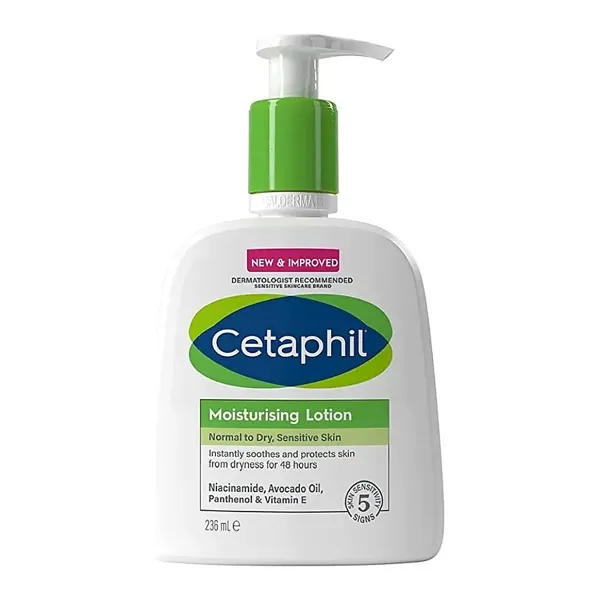
| CETAPHIL MOISTURIZING LOTION DRY TO NORMAL, SENSITIVE SKIN (FACE/BODY) 236ml | Fragrance-Free Lotion | See current price on the linked product page | Daily barrier moisturiser |
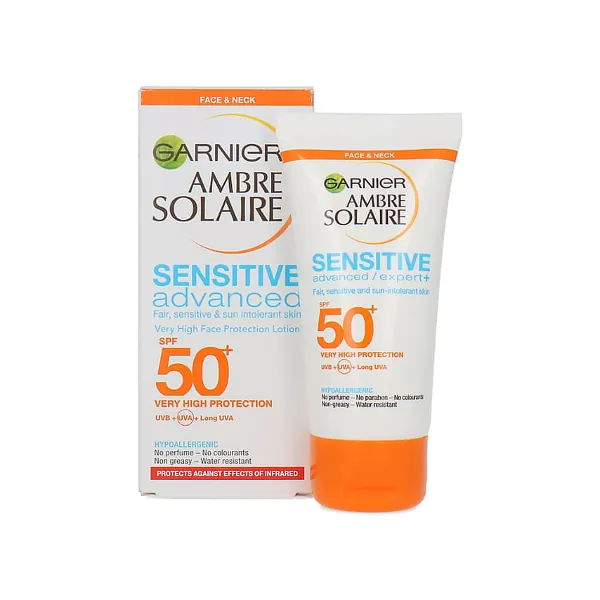
| Garnier Ambre Solaire Sensitive Advanced Eco Lightweight Protection Lotion SPF50+ | SPF50+ Sensitive Sunscreen | See current price on the linked product page | Sun-reactive, easily flushed skin |
| CeraVe Foaming Facial Cleanser – 87ml | Ceramide Foaming Cleanser | See current price on the linked product page | Normal-to-oily sensitive skin |
| The Ordinary Hyaluronic Acid 2% + B5 – 30ml | Hyaluronic Acid + B5 Serum | See current price on the linked product page | Hydration without irritation |
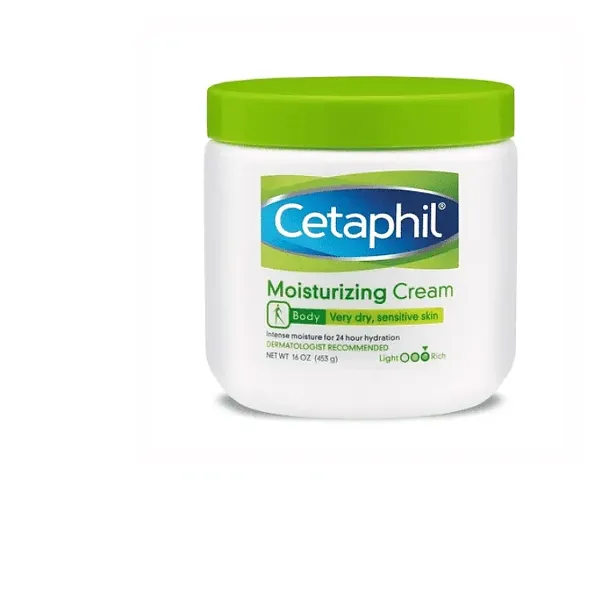
| Cetaphil Moisturizing Cream Face & Body Dry Sensitive Skin 453gm | Rich Moisturizing Cream | See current price on the linked product page | Very dry, tight winter skin |
Prices correct as of July 2026. Cash on Delivery available across Pakistan.
Sensitive Skin vs Rosacea, Eczema and Allergies
Sensitive skin overlaps with several other conditions, and telling them apart matters because the treatment is different.
- Rosacea causes persistent facial redness, visible blood vessels, and sometimes small bumps that don't fully fade between flare-ups, unlike simple sensitivity, which calms down once the trigger is removed.
- Eczema (atopic dermatitis) shows dry, scaly, often itchy patches that can crack or weep, usually with a personal or family history of allergies or asthma.
- Allergic contact dermatitis reacts to one specific ingredient (a fragrance compound, a preservative) with a delayed 24-72 hour rash at the exact spot of contact, rather than an immediate sting.
- Irritant sensitivity, the most common pattern, reacts fast, within minutes, and broadly to many products, without a delay and without a fixed rash shape.
If your redness or itching is constant rather than triggered, involves visible bumps or scaly patches, or doesn't improve after weeks of a minimal, fragrance-free routine, see a dermatologist rather than continuing to self-treat - it may be rosacea or eczema that needs prescription care, not just gentler products.
What Makes Sensitive Skin Worse in Pakistan
Local conditions push borderline-sensitive skin over the edge faster than most product labels account for.
- Karachi's humidity and sweat keep skin damp for hours, which softens the barrier and lets sweat salts and pollution particles irritate it further.
- Hard, chlorinated tap water in most cities strips natural oils with every wash, which is why skin can feel tight even after a "gentle" cleanser.
- Lahore and Islamabad winters combine dry air with indoor heaters, dropping humidity indoors and causing flaking, tightness, and increased reactivity through the cold months.
- Long, direct sun exposure on daily commutes thins and sensitises skin over time, which is why a dedicated sunscreen made for reactive skin, such as Garnier Ambre Solaire Sensitive SPF50+, matters more here than in cooler climates.
- Unregulated local-market creams, especially fairness and "instant glow" products sold loose without batch information, are a frequent hidden trigger and a common source of counterfeit stock, so buying sealed, authenticated products matters as much as the formula itself.
Building a Routine Once You've Confirmed Sensitive Skin
Once the signs and a patch test confirm sensitivity, the goal is to rebuild the barrier, not fight it. Keep the routine to three steps for at least 4-6 weeks: a soap-free cleanser, a fragrance-free moisturiser, and daily SPF.
Cetaphil Gentle Skin Cleanser or the ceramide-based CeraVe Foaming Facial Cleanser (better suited to normal-to-oily sensitive skin than a cream cleanser) are both reasonable starting points - which one suits you better usually comes down to whether your skin leans dry or oily, not sensitivity alone. Follow with a fragrance-free lotion like Cetaphil Moisturizing Lotion, or the richer Cetaphil Moisturizing Cream if your skin feels tight or flaky through winter. For hydration without added irritation, The Ordinary Hyaluronic Acid 2% + B5 is one of the lower-risk serums to layer in, since it's fragrance-free and doesn't contain acids or actives.
Hold off on strong actives - high-percentage AHA/BHA peels or 10% niacinamide - until your barrier has calmed down and tolerated the basics for several weeks, then patch-test them individually before using on the full face.
Common Mistakes
- Self-diagnosing from a single bad reaction instead of patch-testing to confirm a real pattern
- Using foaming face washes or scrubs daily to "feel clean," which strips the barrier further
- Buying unbranded fairness or whitening creams from the open market that skip batch testing entirely
- Introducing a new cleanser, serum, and active ingredient all in the same week, making it impossible to trace the trigger
- Skipping sunscreen on cloudy or indoor days, then reacting badly the next time skin is exposed to strong sun
- Ignoring redness or itching that lasts for months instead of seeing a dermatologist to rule out rosacea or eczema
Shop BigBasket.pk
Products Featured in This Article
100% authentic — Cash on Delivery across Pakistan



Frequently Asked Questions
How can I tell if I have sensitive skin or just had a bad reaction to one product?+
A single bad reaction to one product is usually just an intolerance to that specific ingredient. Genuine sensitive skin reacts to multiple different products - cleansers, sunscreens, even water - with stinging, redness, or tightness that shows up repeatedly across weeks and seasons, not just once.
Can sensitive skin develop later in life even if I never had it before?+
Yes. Sun damage, over-exfoliation, harsh cleansers, hard tap water, and ageing can all thin the skin barrier over time, so skin that tolerated everything in your twenties can become reactive later. It's common to notice new sensitivity after switching to harsher products or during Lahore or Islamabad's dry winter months.
Is sensitive skin the same as having an allergy?+
No. An allergic reaction targets one specific ingredient and typically appears 24-72 hours after contact as a localised rash. Sensitive skin reacts faster, within minutes, and more broadly to many products and environmental triggers like heat, wind, or fragrance - it's an irritant response, not an immune one.
What ingredients should I avoid if I have sensitive skin?+
Fragrance, alcohol denat, sulfates, and high-percentage acids are the most common triggers - this includes holding off on strong exfoliants like The Ordinary's AHA 30% + BHA 2% Peeling Solution until your barrier is stronger. Start with fragrance-free basics such as Cetaphil Gentle Skin Cleanser and patch-test anything new before applying it to your full face.
Does Karachi's humidity make sensitive skin worse?+
Yes. Constant humidity and sweat keep the skin barrier damp and softened for longer, which lets pollution particles and sweat salts penetrate more easily and trigger stinging or breakouts. Rinsing with cooler water and following with a lightweight, fragrance-free moisturiser such as Cetaphil Moisturizing Lotion helps reduce this in humid cities.
Should I choose Cetaphil or CeraVe once I know my skin is sensitive?+
Both are formulated for sensitive skin but differ in texture: Cetaphil's cleansers and lotions (like Cetaphil Gentle Skin Cleanser, See current price on the linked product page) lean creamier and suit dry-to-normal sensitive skin, while CeraVe Foaming Facial Cleanser (See current price on the linked product page) uses ceramides in a foaming base better suited to normal-to-oily sensitive skin. Patch-test both if you're unsure, and pick based on how oily or dry your skin runs, not brand alone.
The Short Version
TL;DR: You likely have sensitive skin if products sting or redden your face within minutes, skin stays tight after washing, and you react to sun, heat, or "gentle" products that don't bother others. Confirm it with a simple 48-hour patch test using a fragrance-free option like Cetaphil Gentle Skin Cleanser, then build a minimal routine from BigBasket.pk's skin care range before adding any strong actives.
Related Reading
- → Scented vs Unscented Soap: Which Is Safer for Pakistani Skin?
- → Lactic Acid: The Gentlest Exfoliant for Sensitive Skin
- → How to Choose a Gentle Cleanser for Sensitive Skin in Pakistan
- → Hot Wax vs Cold Wax: Which Suits Sensitive Skin?
- → Cetaphil vs CeraVe: Best for Sensitive Skin
- → Mandelic Acid for Skin: The Gentlest Exfoliating Acid for Sensitive Skin
Price note: Prices mentioned in this guide are snapshots and may change. The linked product page shows the current BigBasket.pk price and availability.