



Key Takeaway
Kalonji oil price in Pakistan ranges widely by purity. See what drives the cost, how to spot fakes, and BigBasket.pk verified hair-oil alternatives instead.
A look across local herbal shops and online listings shows kalonji oil price in Pakistan can swing from a few hundred rupees for a small, loosely packed pansaari bottle to well over a thousand rupees for a branded, cold-pressed 100ml bottle, and that gap comes almost entirely from purity, not bottle size. We'll be upfront about one thing first: BigBasket.pk does not currently stock kalonji (black seed) oil itself, so nothing featured below is a kalonji oil listing.
What we can do is explain what you're actually paying for, how to avoid the diluted stock that floats around Karachi's Sunday bazaars and Lahore's Anarkali stalls, and point you to genuine, verified hair oils and serums on BigBasket.pk that target the same hair-fall and scalp concerns kalonji oil is usually bought for.
What Kalonji Oil Actually Is
Kalonji is the Urdu/Hindi name for Nigella sativa seeds, commonly called black seed or black cumin in English. The oil is extracted from these small black seeds and has been used across South Asia and the Middle East for centuries, partly because of its mention in Islamic tradition as "habba sauda," which is one reason it sits on almost every pansaari's shelf in Pakistan alongside sarson (mustard) and til (sesame) oil.
The active compound researchers focus on is thymoquinone, an antioxidant believed to give the oil its anti-inflammatory reputation. In its raw form, genuine cold-pressed kalonji oil is thin, dark brown to almost black, and has a sharp, peppery, slightly bitter smell, closer to oregano or thyme than a typical hair oil. That strong smell is actually one of the most reliable signs of authenticity, because it's the first thing manufacturers strip out or dilute when they cut corners.
In Pakistan, kalonji oil is sold both as a food-grade supplement, taken by the spoonful and often mixed with honey, and marketed for topical hair and scalp use. This dual marketing is part of why pricing looks so inconsistent online: a 30ml "medicinal" bottle from a herbal dispensary and a 100ml "hair oil" bottle from a cosmetic aisle are not really the same product, even when both say kalonji on the label.
Kalonji Oil Price in Pakistan: What Drives the Cost
Three things move the price more than anything else: extraction method, dilution, and brand overhead. Cold-pressed, unrefined kalonji oil costs more to produce because yields are low, the seeds don't give up much oil per kilogram, so an honestly cold-pressed 100ml bottle will almost always cost more than a solvent-extracted or heat-processed one of the same size.
Dilution is the bigger issue in the local market. It's common for cheaper "kalonji oil" sold loose at general stores or in unbranded plastic bottles to be cut with soybean, mustard, or sunflower oil to stretch volume and lower the shelf price. This is why you'll see wildly different prices for what looks like the same 100ml bottle, the cheap one may be only 15-20% actual kalonji oil.
Brand packaging, import costs for oils sourced from Saudi Arabia or Egypt (often marketed as premium), and retailer margin add the rest. Pharmacy and herbal-store bottles from established Pakistani brands generally sit in the middle of the market, while loose bazaar bottles sit at the bottom and imported or "triple cold-pressed" claims sit at the top. None of these price points are verified BigBasket.pk listings, so treat any specific figure you see online, including here, as a starting point for comparison shopping, not a guarantee.
How to Spot Adulterated or Fake Kalonji Oil
Since kalonji oil isn't something we stock or can vouch for at BigBasket.pk, spotting adulteration yourself matters more here than with a verified product. Start with smell: genuine oil is pungent and slightly throat-catching, almost like inhaling black pepper. If a bottle smells faint, sweetish, or mostly like a neutral carrier oil, it's likely cut.
- Color and clarity: Pure cold-pressed kalonji oil is dark brown to near-black and slightly cloudy, not pale yellow or perfectly clear.
- The freeze test: Real kalonji oil thickens or partially solidifies in the fridge; heavily refined or diluted versions often stay fully liquid.
- Batch and seal details: Look for a batch number, manufacturing date, and an intact induction seal, loose bazaar bottles rarely have either.
- Price relative to seed cost: Black seeds aren't cheap in bulk, so an unusually low price for a "100% pure" claim is a red flag, not a bargain.
- Skin reaction: A tiny patch test that causes no tingling or scent at all suggests the bottle is mostly filler oil.
If you can't verify any of the above in person, buying from a source you can't return to, an unmarked bazaar stall, for instance, carries real risk of paying branded prices for diluted oil.
| Product | What It Is | Price (PKR) | Best For |
|---|---|---|---|
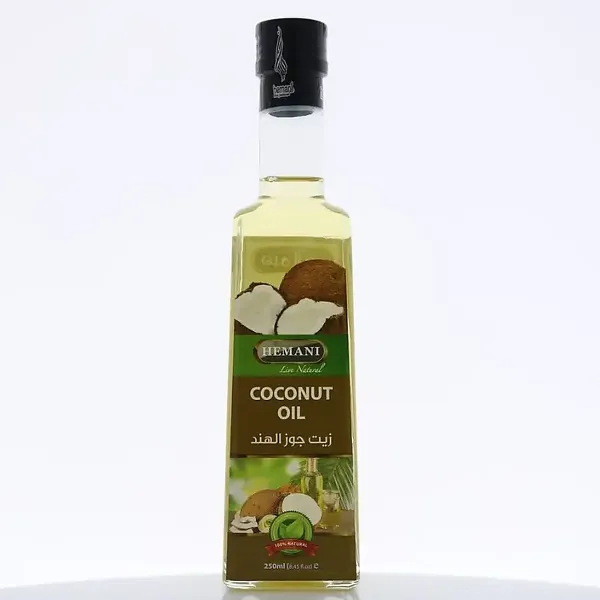
| Hemani Coconut Oil 250ML | Trusted herbal scalp oil | See current price on the linked product page | Weekly scalp massage routine |
| Asma Doll Hair Oil | Herbal hair growth oil | See current price on the linked product page | Traditional weekly oiling |
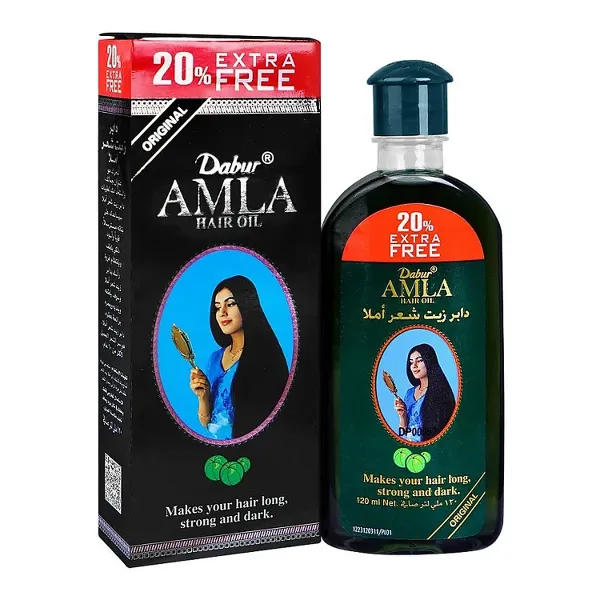
| Dabur amla hair oil 120ml | Classic amla scalp oil | See current price on the linked product page | Budget-friendly daily nourishment |
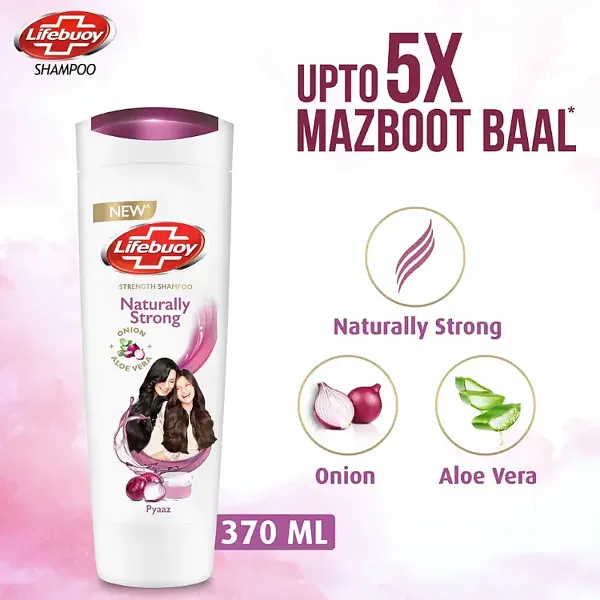
| Lifebuoy Naturally Strong Onion & Aloe Vera Shampoo 370ml | Onion hair-fall shampoo | See current price on the linked product page | Reducing hair fall, pairs with oiling |
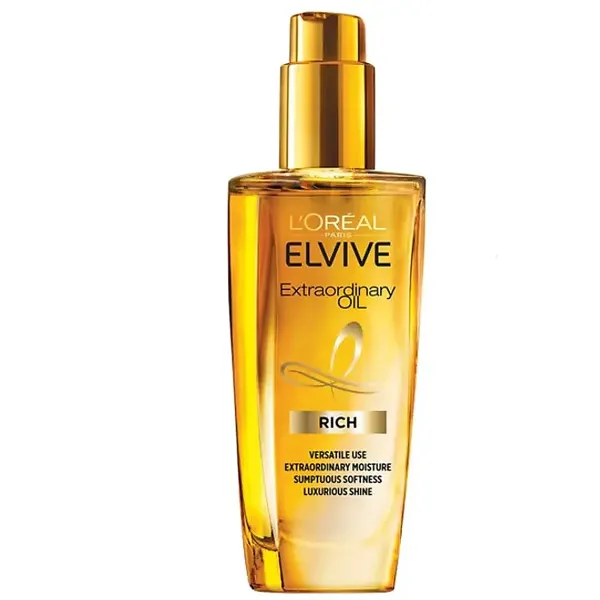
| LOreal Paris Elvive Extraordinary Oil Hair Serum - 30ml | Lightweight finishing serum | See current price on the linked product page | Shine without heavy oil scent |
Prices correct as of July 2026. Cash on Delivery available across Pakistan.
What Kalonji Oil Is Actually Good For (and Its Limits)
Topically, kalonji oil is mostly used for scalp massage, people apply it to calm an itchy, flaky scalp and as part of a hair-fall routine, on the theory that thymoquinone's antioxidant and anti-inflammatory action supports a healthier scalp environment for hair to grow. Some also use it diluted into a carrier oil for mild dandruff.
The honest caveat: robust clinical evidence specifically for kalonji oil regrowing hair or stopping hair fall in humans is thin. Most of what circulates is traditional use and small studies, not the kind of large trials backing ingredients like minoxidil. It's reasonable to try it as a scalp-care addition, not as a guaranteed hair-fall cure.
Practically, it's also a difficult oil to live with day to day, the smell is strong and lingers in hair, it can stain light-colored pillowcases and dupattas, and in Karachi's humidity it can feel heavier and greasier on the scalp than a lighter formulated oil would. That mix of unproven-but-plausible benefit and genuinely inconvenient texture is exactly why many people who start with kalonji oil eventually move to a formulated hair oil or leave-in serum built for daily wear.
Genuine Alternatives You Can Order From BigBasket.pk
If your goal is a healthier scalp and reduced hair fall rather than kalonji oil specifically, BigBasket.pk carries verified hair oils and serums that target the same concerns without the sourcing guesswork. Hemani Coconut Oil 250ml is a good starting point if you want a trusted Pakistani herbal-brand oil for scalp massage, coconut oil's fatty acid profile is well studied for reducing protein loss in hair, and it's a familiar texture for anyone used to oiling their hair weekly.
Asma Doll Hair Oil and Dabur Amla Hair Oil are both herbal-style scalp oils built for the same weekly-oiling routine kalonji oil is usually slotted into, with amla oil in particular being one of the most established traditional scalp-nourishing oils in South Asia and priced accessibly at See current price on the linked product page for 120ml.
If hair fall is your main concern rather than scalp dryness, pair oiling with Lifebuoy Naturally Strong Onion & Aloe Vera Shampoo, onion extract has a growing body of research behind it for hair-fall reduction, arguably stronger than kalonji's, and using it alongside an oil-massage routine covers both the wash and treatment steps. For days you want a light, non-greasy finish instead of an oil massage, L'Oréal Paris Elvive Extraordinary Oil Hair Serum absorbs fast and won't leave the heavy scent or residue kalonji oil does.
How to Build a Simple Hair-Oiling Routine
Whatever oil you choose, technique matters more than the brand. Warm a coin-sized amount between your palms, part your hair into sections, and massage into the scalp with fingertips, not nails, for three to five minutes to actually stimulate circulation rather than just coating strands. Leave it on for at least an hour, or overnight if your scalp tolerates it, before washing out with a gentle shampoo.
In Karachi and other coastal areas, keep sessions to once or twice a week, the humidity already keeps scalps oilier for longer, and over-oiling can trap sweat and lead to buildup or breakouts along the hairline. In Lahore and Islamabad's drier winter months, you can oil more frequently, up to three times a week, since cold air and indoor heating pull moisture out of both scalp and strands faster.
Always patch test a new oil on your inner arm or behind the ear for 24 hours before applying it to your scalp, especially with anything marketed as "pure" or "concentrated," this applies whether you eventually source kalonji oil elsewhere or use one of the alternatives above. For more hair and scalp options beyond what's listed here, browse BigBasket.pk's full skin and hair care range.
Common Mistakes
- Assuming a lower price means better value, diluted kalonji oil is often the cheapest option on the shelf, not the purest.
- Buying loose bazaar bottles with no batch number, manufacturing date, or intact seal.
- Applying undiluted kalonji oil straight to the scalp without a 24-hour patch test first.
- Expecting kalonji oil alone to stop hair fall without addressing diet, stress, or an underlying scalp condition.
- Oiling daily in humid weather like Karachi's and trapping sweat and buildup instead of letting the scalp breathe.
- Confusing food-grade kalonji oil meant for ingestion with cosmetic-grade oil meant for topical scalp use.
Shop BigBasket.pk
Products Featured in This Article
100% authentic — Cash on Delivery across Pakistan

Frequently Asked Questions
What is the average price of kalonji oil in Pakistan?+
Prices vary widely by purity and brand, roughly from a few hundred rupees for small, loosely packed bazaar bottles up to See current price on the linked product page or more for branded, cold-pressed 100ml bottles. BigBasket.pk does not stock kalonji oil directly, so we can't verify one exact figure, check the oil's smell, color, and seal before trusting any label.
Does BigBasket.pk sell kalonji oil?+
No, kalonji (black seed) oil is not currently part of BigBasket.pk's catalogue. We do carry verified scalp and hair oils like Hemani Coconut Oil, Asma Doll Hair Oil, and Dabur Amla Hair Oil that serve the same weekly-oiling routine.
Is kalonji oil good for hair fall?+
It's traditionally used for scalp health and is believed to have antioxidant, anti-inflammatory properties from thymoquinone, but strong clinical evidence for hair regrowth specifically is limited. Onion extract, found in Lifebuoy Naturally Strong Onion & Aloe Vera Shampoo, currently has more research behind it for hair-fall reduction.
How can I tell if kalonji oil is fake or diluted?+
Genuine cold-pressed kalonji oil is dark, pungent, and slightly thickens when refrigerated; a faint smell, pale color, or unusually low price for a "100% pure" claim usually signals dilution with cheaper oils like soybean or mustard. Checking for a batch number, manufacturing date, and an intact seal also helps rule out bazaar-mixed bottles.
What can I use instead of kalonji oil for scalp care?+
Coconut oil and amla oil are the closest traditional substitutes and both are available on BigBasket.pk, Hemani Coconut Oil 250ml (See current price on the linked product page) and Dabur Amla Hair Oil 120ml (See current price on the linked product page), plus a lightweight serum like L'Oréal Paris Elvive Extraordinary Oil Hair Serum for days you want shine without a heavy scent.
How often should I oil my hair in Pakistan's climate?+
In humid cities like Karachi, once or twice a week is usually enough to avoid buildup, while drier winters in Lahore and Islamabad can support oiling up to three times a week. Always leave the oil on for at least an hour before washing it out with a gentle shampoo.
The Short Version
Kalonji oil price in Pakistan ranges from a few hundred rupees for diluted bazaar bottles to See current price on the linked product page+ for genuine cold-pressed ones, and BigBasket.pk doesn't stock kalonji oil itself, so verify smell, color, and seal before buying elsewhere. For a verified scalp-care routine instead, try Hemani Coconut Oil for weekly massage or Dabur Amla Hair Oil as a budget-friendly daily option.
Related Reading
- → Silky Shampoo Price in Pakistan – Real Rates & Best Picks
- → Best Shampoo for Curly Hair in Pakistan (Honest Picks)
- → Keratin Conditioner Price in Pakistan: Real Costs & Picks
- → J. Perfume Price in Pakistan: Honest Guide + Real Alternatives
- → Anagrow Shampoo Price in Pakistan: What It Costs & Better Picks
- → Apple Hair Color Price in Pakistan: What It Costs & Safer Picks
Price note: Prices mentioned in this guide are snapshots and may change. The linked product page shows the current BigBasket.pk price and availability.