



Key Takeaway
Herbal shampoo in Pakistan usually means neem, amla, reetha or rice-extract formulas, not chemical-free ones. Here's what genuinely works, real PKR prices and how to avoid fakes.
The most trusted herbal shampoo in Pakistan right now is Lifebuoy's own herbal formula, a widely stocked, mild, neem- and herb-based shampoo built to clean the scalp without the harsh strip-dry feel of ordinary soap-bar washing. If you came here expecting a single boutique Ayurvedic brand, it helps to know that in the local market "herbal shampoo" is mostly a formulation claim, not a fixed name: it means plant extracts such as neem, amla, reetha, shikakai, tea tree or rice water blended into a mild cleansing base, not a shampoo that is 100% free of every synthetic ingredient.
At BigBasket.pk we stock genuine, sealed-batch options that fit this brief, from Lifebuoy's herbal shampoo to a rice-extract shampoo-conditioner and Dabur's Ayurvedic amla oil for the pre-wash herbal routine Pakistani households have relied on for decades, all with Cash on Delivery across Karachi, Lahore, Islamabad and beyond.
What Actually Makes a Shampoo "Herbal" in Pakistan
In Pakistani retail, a shampoo earns the "herbal" label when its ingredient list leads with plant-derived actives rather than purely synthetic ones. The usual suspects are neem (antibacterial, used for dandruff and itchy scalp), amla or Indian gooseberry (strengthening, rich in vitamin C), reetha and shikakai (traditional low-lather natural cleansers), henna (conditioning, adds mild shine), tea tree oil (oil-control, anti-dandruff) and rice water or rice extract (smoothing, shine-boosting).
What "herbal" does not automatically mean is sulphate-free, paraben-free or chemical-free. Most mass-market herbal shampoos, including Lifebuoy's, still use mild cleansing surfactants to actually lather and rinse out oil and dust, the herbal extracts sit alongside that base rather than replacing it. That distinction matters if you're choosing a shampoo for a specific reason: dandruff control, hair fall, dryness or just a gentler daily wash. Read the front-of-pack claim as a directional hint, not a guarantee, and match the shampoo to your actual scalp condition rather than the word "herbal" alone.
For everyday oily-to-normal scalps in Pakistan's climate, a herbal shampoo is usually a sensible, affordable default. For colour-treated, chemically straightened or very dry hair, it's often not enough on its own, more on that further down.
Lifebuoy Herbal Shampoo: Price, Formula and Who It Suits
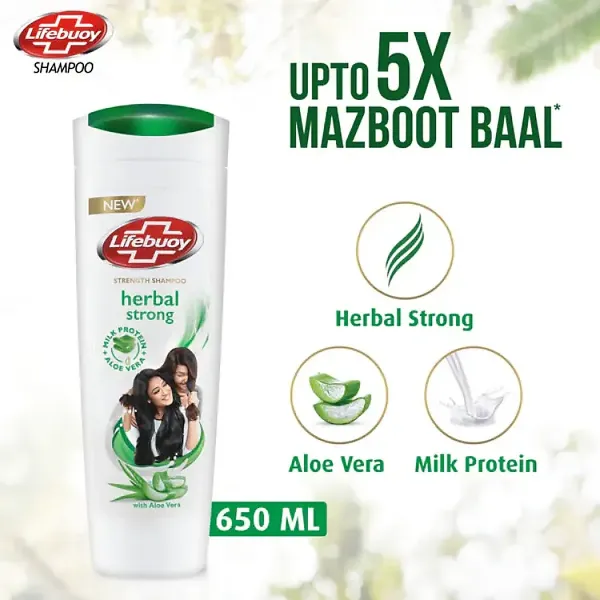
Lifebuoy Shampoo Herbal (650ml) is priced at See current price on the linked product page discounted from See current price on the linked product page on BigBasket.pk with Cash on Delivery. It's a mass-market, everyday-use herbal shampoo built around Lifebuoy's germ-protection heritage, positioned for scalps that get oily fast in Karachi's humidity or dusty conditions in inland cities, and for households that want one bottle the whole family can use without irritation.
The 650ml size is a genuine cost advantage per wash compared to smaller premium bottles, which is why it's a common pick for large families. It suits normal-to-oily scalps that need frequent washing (three to five times a week) and mild dandruff control. It is not formulated as a deep-conditioning or keratin-repair shampoo, so if your hair is heavily coloured, chemically straightened or extremely dry at the ends, pair it with a leave-in oil or use it only on the scalp and finish lengths with a separate conditioner.
Because low-quality decanted "herbal" shampoo is a known counterfeit risk in open markets, always confirm the bottle is factory-sealed with a legible batch code before use, buying from a verified retailer with Cash on Delivery is the simplest way to avoid a refilled or diluted bottle.
Rice Water and Amla: The Traditional Herbal Hair Routine
Long before "herbal shampoo" became a shelf label, South Asian households were already running the herbal routine it's trying to bottle: oil the scalp with amla before washing, then rinse with something starchy and mild like rice water. Both halves of that routine are available separately on BigBasket.pk rather than fused into one product, and honestly, using them as a two-step routine tends to work better than expecting a single bottle to do everything.
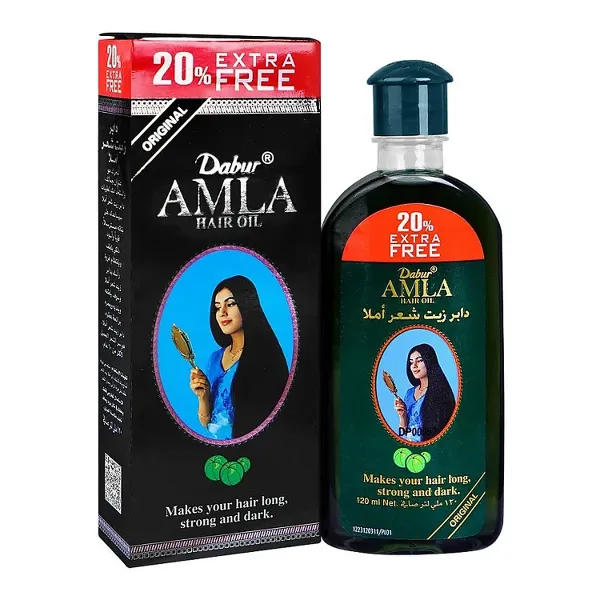
Dabur Amla Hair Oil (120ml) is priced at See current price on the linked product page discounted from See current price on the linked product page. It's a classic Ayurvedic pre-wash oil, massaged into the scalp thirty minutes to overnight before shampooing, aimed at reducing hair fall and dryness rather than cleaning the hair. It's a strong pick for winter use in Lahore and Islamabad, where cold, dry air pulls moisture out of both scalp and strands.
Rice Extract Shampoo-Conditioner is priced at See current price on the linked product page. Rice water is prized for smoothing the hair cuticle and adding shine without weighing hair down, a 2-in-1 rice-extract formula is a reasonable middle ground if you want a herbal-style wash-and-condition step without adding a separate conditioner bottle to the routine.
| Product | What It Is | Price (PKR) | Best For |
|---|---|---|---|
| Lifebuoy Shampoo Herbal - 650Ml | Everyday herbal shampoo | See current price on the linked product page | Oily scalp, daily wash, budget |
| Rice Extract shampoo - Conditioner | Rice water 2-in-1 | See current price on the linked product page | Shine, softness, frizz control |
| Dabur amla hair oil 120ml | Ayurvedic pre-wash oil | See current price on the linked product page | Hair fall, dryness, winter |
Prices correct as of July 2026. Cash on Delivery available across Pakistan.
Herbal Shampoo for Karachi Humidity vs Lahore and Islamabad Winters
Pakistan's climate range means one herbal shampoo rarely works the same way in every city, and treating it as a one-size answer is where a lot of people get disappointed. In Karachi and other coastal, humid areas, scalps tend to get oily faster and sweat more, which favours a lighter herbal shampoo used more frequently, something like Lifebuoy's herbal formula on alternate days, without heavy pre-wash oiling that can feel greasy in the heat.
In Lahore and Islamabad's dry winters, the opposite problem shows up: flaking, static, and brittle ends from indoor heating and cold outdoor air. Here, the herbal routine works better in reverse order of priority, an amla oil pre-treatment matters more than the shampoo itself, and washing frequency should drop to two or three times a week to avoid stripping what little natural oil the scalp is producing.
If you travel between cities or the seasons shift hard where you live, it's worth keeping both a light everyday herbal shampoo and a herbal pre-wash oil on hand rather than committing to only one product year-round. Neither hair care pick is wrong, they're just suited to different humidity and temperature conditions.
How to Spot Fake "Herbal" Shampoo in Local Markets
Counterfeit and diluted "herbal" shampoo is a real problem in open markets and small general stores across Pakistan, not a rare edge case. The most common version isn't a fake brand entirely, it's a genuine bottle refilled with a cheaper, unbranded liquid and resold at a slight discount, or old stock relabelled with a fresh-looking sticker.
- Check the batch code is printed (not stickered) and legible; a missing or smudged batch number is a red flag.
- Inspect the seal under the cap, it should be intact and tamper-evident, not already broken or missing.
- Compare consistency and smell to a known-genuine bottle if you can, watered-down herbal shampoo often looks thinner and lathers less.
- Be wary of steep, unexplained discounts from unfamiliar stalls, especially loose or decanted bottles sold without original packaging.
- Buy from a verified retailer that ships sealed stock with Cash on Delivery, so you can inspect the bottle on arrival before paying.
This is more than a cosmetic issue, a diluted or contaminated shampoo can trigger scalp irritation or simply fail to work, wasting money on repeat washes that don't clean or treat anything.
When Herbal Isn't Enough: Chemically Treated Hair
Herbal shampoo is built for scalp health and gentle everyday cleansing, not for repairing damage from bleaching, keratin smoothing or chemical straightening. If your hair has been through a keratin treatment, a herbal shampoo alone can shorten how long that treatment lasts, since most herbal formulas still contain cleansing surfactants that aren't sulphate-free the way a true keratin-safe shampoo is.
For that situation, a purpose-built option like Asma Doll Keratin Shampoo (See current price on the linked product page) is the more honest choice, it's formulated to protect a keratin service rather than just clean the scalp. It's not a herbal shampoo and doesn't claim to be, but it's the right tool if that's your actual hair concern.
The practical rule: use herbal shampoo when the goal is scalp comfort, dandruff control or a natural everyday wash, and switch to a treatment-specific shampoo when the goal is protecting a chemical service or repairing damaged strands. Mixing the two, herbal shampoo on chemically treated hair, isn't dangerous, it just won't get you the result you're paying for from the treatment. Browse the full range in hair care to compare both categories side by side.
Common Mistakes
- Assuming "herbal" means sulphate-free or chemical-free — most herbal shampoos still use a mild cleansing surfactant base.
- Skipping the pre-wash amla oil step and then wondering why an herbal shampoo alone leaves hair feeling dry.
- Buying loose, decanted "herbal shampoo" from open-market stalls with no batch code or intact seal.
- Using the same herbal shampoo year-round in Lahore or Islamabad without adjusting frequency for dry winters.
- Expecting an everyday herbal shampoo to protect or repair keratin-treated, straightened or bleached hair.
Shop BigBasket.pk
Products Featured in This Article
100% authentic — Cash on Delivery across Pakistan
Frequently Asked Questions
Is herbal shampoo really better than normal shampoo for Pakistani hair and water?+
It depends on your scalp, not the label alone. Herbal shampoos with neem or tea tree can help control the excess oil and dandruff that Pakistan's hard tap water and humid summers often trigger, but dry or chemically treated hair still needs a moisture-focused or treatment-specific shampoo instead.
What is the price of Lifebuoy Herbal Shampoo in Pakistan?+
Lifebuoy Shampoo Herbal (650ml) is priced at See current price on the linked product page discounted from See current price on the linked product page on BigBasket.pk, with Cash on Delivery available across Karachi, Lahore, Islamabad and nationwide.
Can herbal shampoo stop hair fall?+
No shampoo stops hair fall on its own. Herbal shampoo can improve scalp cleanliness and comfort, but pairing it with a scalp massage using Dabur Amla Hair Oil (See current price on the linked product page) addresses hair fall more directly than shampoo alone.
Is rice water shampoo the same as herbal shampoo?+
Rice water or rice-extract shampoo is one type of herbal shampoo. It uses rice starch mainly for shine and cuticle smoothing, while other herbal shampoos lean on neem or amla for scalp treatment, so the two overlap but aren't identical.
How can I tell if an herbal shampoo bought locally is fake?+
Check for a printed (not stickered) batch code, an intact factory seal under the cap, and normal lather and consistency compared to a known-genuine bottle. Loose or refilled bottles sold cheaply at open-market stalls are the most common source of counterfeit herbal shampoo in Pakistan, so buying from a verified retailer with Cash on Delivery is the safer route.
Should I use herbal shampoo every day?+
Mass-market herbal shampoos like Lifebuoy's are mild enough for daily or alternate-day use on oily scalps, but if hair starts feeling dry or brittle, cut back to two or three washes a week and add an oil pre-treatment like Dabur Amla Hair Oil.
The Short Version
TL;DR: In Pakistan, "herbal shampoo" usually means a neem-, amla- or rice-extract-based formula, not a chemical-free one. Lifebuoy Shampoo Herbal (650ml) at See current price on the linked product page is the reliable everyday pick; pair it with Dabur Amla Hair Oil for a proper pre-wash herbal routine, and always check for a sealed batch code to avoid counterfeit bottles from local markets.
Related Reading
- → Best Hair Colour Shampoo in Pakistan: What Actually Works
- → Anagrow Shampoo Price in Pakistan: What It Costs & Better Picks
- → Selsun Blue Shampoo Price in Pakistan: The Honest Answer
- → Photonic Max Shampoo Price in Pakistan: Honest Guide
- → Shampoo in Pakistan: Best Keratin, Oil & Budget Picks
- → Best Shampoo in Pakistan: Keratin, Oil & Budget Picks
- → Purple Shampoo in Pakistan: What We Stock (And What Works)
Price note: Prices mentioned in this guide are snapshots and may change. The linked product page shows the current BigBasket.pk price and availability.