




Key Takeaway
A hair dye patch test at home means applying a small mix of dye behind your ear or inner elbow and waiting 48 hours to check for redness, itching or swelling before you dye your whole head.
A hair dye patch test at home means mixing a small amount of the exact dye and developer you plan to use, applying a coin-sized patch behind your ear or on your inner elbow, and leaving it completely undisturbed for 48 hours to see whether your skin reacts to PPD (para-phenylenediamine) before it goes anywhere near your scalp. If nothing happens — no redness, itching, swelling, or bumps — you're clear to go ahead with the full colour.
If you need hair dye or a dedicated patch-test kit, BigBasket.pk can source it and deliver it to you on request with Cash on Delivery - and this guide walks through doing the test correctly with whatever dye you use, plus the pre- and post-colour hair care from our hair care range that genuinely helps before and after you colour.
Why a Patch Test Is Non-Negotiable Before Any Hair Dye
Almost every permanent and semi-permanent hair dye sold in Pakistan, including loose colour mixed fresh at neighbourhood salons, contains para-phenylenediamine (PPD) or related aromatic amines to make colour bond to the hair shaft and hold through Karachi's humidity or a long wedding season. PPD is one of the most common causes of allergic contact dermatitis from cosmetics anywhere in the world. The tricky part is that a reaction doesn't have to show up the first time you dye your hair — your immune system can get "sensitised" after two or three exposures and then react suddenly and severely to a dye you've used for years without any issue.
That's why a hair dye patch test at home isn't a one-time precaution for first-time dyers; dermatologists recommend repeating it before every new box, every new brand, and even every fresh batch mixed at your local salon, since PPD concentration varies between them. A reaction can range from mild itching to swelling, blistering, or, rarely, something serious enough to need medical care, especially around the eyes, ears, and neck where skin is thinner. Doing the test 48 hours before your appointment — not the same morning — is what actually protects you, because it gives a delayed reaction time to appear before the same chemicals touch your scalp.
How to Do a Hair Dye Patch Test at Home, Step by Step
Use the actual dye and developer you're planning to apply — not a different shade or an old tube from last year, since the mix ratio and PPD level change the risk. Mix a coin-sized amount exactly as the instructions say (usually dye plus a developer, often 20 or 30 volume, in equal parts), then dab a thin layer onto clean, dry skin about the size of a rupee coin. Behind the ear or on the inner elbow are the two spots dermatologists recommend, because the skin there is thin and reacts the way your hairline and neck will once you apply the full colour.
Let it air-dry, then leave it completely alone for 48 hours: no washing, no covering with a plaster, no rubbing it to check on it. Set a phone reminder rather than relying on memory, because most people who skip patch testing do so under time pressure — a wedding the next morning, a salon slot already booked. If nothing happens in 48 hours (no redness, itching, swelling, or small bumps), you're clear to go ahead with the full application, ideally the same day, since a sample left much longer can dry out or oxidise and stop reflecting how the fresh mix will actually behave on your scalp.
What a Reaction Actually Looks Like — and What's Just Normal Skin
A true allergic reaction to PPD is more than a faint tingle. Watch for redness spreading beyond the edges of the patch, raised bumps, itching that gets worse rather than fading, swelling, small blisters, or a burning sensation that starts hours after application rather than instantly. On wheatish, tan, and deeper brown skin tones common across Pakistan, redness itself can be harder to spot — look instead for a darker or dusky patch, puffiness, warmth to the touch, or skin that feels unusually tight, since these can be clearer signs than visible pinkness.
Some mild tightness or warmth right when you apply the mix is normal and settles within a few minutes — that's not a reaction. What matters is anything that appears or worsens between 6 and 72 hours later, since PPD allergies are typically "delayed-type" reactions, not instant ones. If you do see a genuine reaction, wash the area gently with lukewarm water, don't scratch it, and do not use that dye — or any dye containing PPD — on your scalp. If swelling spreads to your face, eyes, or throat, or breathing feels affected, treat it as urgent and see a doctor immediately rather than waiting it out.
| Product | What It Is | Price (PKR) | Best For |
|---|---|---|---|
| Asma Doll Hair Oil | Pre-dye scalp prep oil | See current price on the linked product page | Conditioning before colouring |
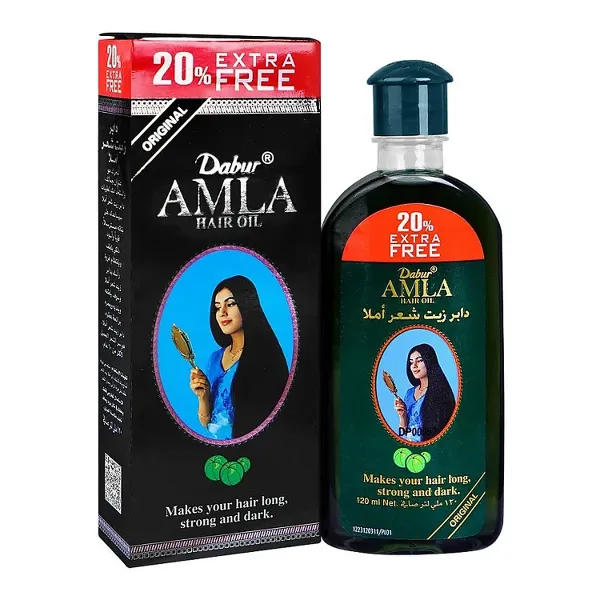
| Dabur amla hair oil 120ml | Budget scalp-soothing oil | See current price on the linked product page | Affordable pre-test prep |
| Rice Extract shampoo - Conditioner | Mild everyday cleanser | See current price on the linked product page | Sensitised, reactive scalps |
| Asma Doll Keratin Shampoo | Gentle post-dye shampoo | See current price on the linked product page | Rebuilding after a reaction |
| Asma Doll Hair Keratin Kit | Deep keratin repair kit | See current price on the linked product page | Reviving dye-damaged hair |
Prices correct as of July 2026. Cash on Delivery available across Pakistan.
Patch Test Mistakes Common in Pakistan's Local Dye Market
Loose hair colour bought by weight from local markets or mixed fresh at a salon is one of the biggest blind spots — unlike a sealed box dye, you often don't know the exact PPD concentration, and it can run considerably higher than branded, tested versions because it darkens hair faster and cheaper. Always ask for a small take-home sample to test 48 hours before your appointment, rather than accepting a patch test done in-salon minutes before your full colour, which defeats the purpose entirely.
- Assuming "natural" or henna-labelled dye is automatically PPD-free — many mixed local henna pastes have PPD or other synthetic dyes blended in for faster, darker results.
- Testing once, years ago, and assuming it still applies — sensitisation builds with repeated exposure, so a dye that was fine before can trigger a reaction later.
- Doing the test the same morning as a full application, especially before weddings or events, leaving no real time for a delayed reaction to show.
- Storing an already-mixed dye sample and reusing it days later — oxidised dye behaves differently on skin than a freshly mixed batch.
Prep Your Scalp and Skin Before You Test or Dye
A patch test works best on skin that's in its normal state — not freshly exfoliated, sunburned, or broken from scratching an itchy scalp, since already-irritated skin can react even to dyes you'd normally tolerate and give you a false positive. If your scalp tends to feel tight or flaky, especially after Islamabad's dry winters, massaging in a light natural oil the night before helps restore the skin's barrier so your test result reflects a true reading. Dabur Amla Hair Oil at See current price on the linked product page is a budget-friendly option for this.
For a richer pre-treatment, especially if you colour your hair often or it's already been through keratin or straightening treatments, Asma Doll Hair Oil (See current price on the linked product page) works well applied to lengths and scalp edges a day or two before dyeing, keeping strands conditioned so colour processes evenly instead of sitting on already-dry, porous hair longer than it needs to. Keep oil away from the actual patch-test site itself, though — you want to test the dye against bare skin, since oil already on the skin can mask a mild reaction.
If You React: Calming and Rebuilding Sensitised Hair and Scalp
If your patch test comes back positive, don't push through with a full application "just this once" — switch to a PPD-free or ammonia-free alternative and patch test that too, since reacting to one formula doesn't guarantee safety with another. While your scalp settles down, swap to a genuinely gentle cleansing routine: Rice Extract Shampoo-Conditioner (See current price on the linked product page) is a mild, everyday option that won't add extra fragrance or harsh surfactants on top of irritated skin, and Asma Doll Keratin Shampoo (See current price on the linked product page) is a good pick once redness has fully settled and you want to rebuild strength in hair that's been through a failed or aborted colour attempt.
If your hair itself took damage from a previous dye job — dryness, breakage, or a patchy result you're trying to grow out — the Asma Doll Hair Keratin Kit (See current price on the linked product page) is a deeper repair option worth considering once your scalp is fully healed, not while skin is still reacting. If you're unsure which direction to take your routine next, browse our full hair care range to compare gentle shampoos and treatment oils before your next colour appointment.
Common Mistakes
- Testing only on the arm and assuming scalp skin, which is thinner and more reactive, will behave the same way
- Not waiting the full 48 hours — many PPD reactions show up 24 to 72 hours later, not instantly
- Trusting a patch test done in-salon minutes before the full colour, which defeats the point of testing early
- Assuming henna or 'natural' labelled dye can't cause a reaction, when many local mixes still contain PPD
- Reusing a dye sample mixed days earlier instead of testing with a fresh batch made the same way you'll apply it
- Doing the patch test the same morning as a big event, leaving no time to notice a delayed reaction
Shop BigBasket.pk
Products Featured in This Article
100% authentic — Cash on Delivery across Pakistan



Frequently Asked Questions
How long should a hair dye patch test take before I can dye my hair?+
Wait a full 48 hours after applying the test patch before using the dye on your scalp. Most allergic reactions to PPD are delayed and can appear anywhere from a few hours up to three days later, so checking too early can give you a false all-clear.
Where on the body should I apply a hair dye patch test?+
The inner elbow or the skin just behind the ear are the two spots dermatologists recommend, since both areas have thin, sensitive skin that reacts similarly to your hairline and neck. Clean the area first and apply only a coin-sized amount of the mixed dye.
Can I patch test henna or a 'natural' hair colour the same way?+
Yes — treat any henna, herbal, or 'natural' dye exactly like a chemical one, since many mixed pastes sold locally still contain PPD or other synthetic dyes for faster, darker colour. Only pure, unmixed henna with no additives is genuinely lower-risk, and even that is worth testing once.
What should I do if my patch test shows redness or itching?+
Wash the area gently with lukewarm water, don't use that dye on your scalp, and avoid scratching the spot. If swelling spreads or you notice tightness around your face or throat, treat it as urgent and see a doctor rather than waiting it out.
Does BigBasket.pk sell a hair dye patch test kit?+
No — BigBasket.pk doesn't currently stock hair dye or a dedicated patch-test kit, so the test is done with a small amount of whatever dye you're planning to use. We do stock gentle pre- and post-colour hair care, including Dabur Amla Hair Oil (See current price on the linked product page) and Asma Doll Keratin Shampoo (See current price on the linked product page), to help prep and calm skin around a colour appointment.
I've dyed my hair before with no problem — do I still need a patch test?+
Yes. PPD allergies can build up with repeated exposure, so a dye you've used safely for years can suddenly cause a reaction. Dermatologists recommend patch testing before every new dye session, not just the first time.
The Short Version
TL;DR: Mix a small amount of the exact dye and developer you plan to use, apply it behind your ear or on your inner elbow, and leave it untouched for a full 48 hours — redness, itching, or swelling means don't proceed. BigBasket.pk can source hair dye or a patch-test kit for you on request with Cash on Delivery, and our hair care range has gentle pre- and post-colour options like Dabur Amla Hair Oil to prep and calm skin around the test.
Related Reading
- → Salon vs At-Home Hair Colour: Which Gives Better Results?
- → Keune Hair Color Price in Pakistan: What to Know Before Buying
- → Apple Hair Color Price in Pakistan: What It Costs & Safer Picks
- → Garnier Hair Color Price in Pakistan (2026 Guide)
- → Revlon Hair Color Shades Chart in Pakistan: The Real List
- → L'Oreal Hair Color Price in Pakistan: Real Costs & Shades
Price note: Prices mentioned in this guide are snapshots and may change. The linked product page shows the current BigBasket.pk price and availability.