










Yes — do 5-minute hair masks really work? On the surface, yes: a 5-minute mask can smooth the cuticle, cut static and make hair feel silkier almost immediately. What it cannot do is rebuild broken protein bonds, reverse bleach damage or fix split ends, because the hair shaft's inner cortex needs far longer contact time — and usually heat — for repair ingredients to actually get in.
One honest note before we get into the science: BigBasket.pk's current Masks & Peels lineup does not have a 5-minute hair mask listed at the time of writing. So instead of pushing you toward the wrong product, this guide explains exactly what the format can and can't do, how to use it correctly for the best results, and what a genuine damage-repair routine looks like when five minutes truly isn't enough.
📖 Table of Contents (${Math.min(8, h2Matches.length)} Sections) Tap to Jump ↓
What a 5-Minute Hair Mask Actually Does
Most 5-minute hair masks are rinse-off conditioning treatments packaged like a deep treatment but formulated to work fast. They lean on quick-acting occlusives such as dimethicone or cyclomethicone, humectants like glycerin and panthenol, and small conditioning polymers that bind electrostatically to the outer cuticle within a few minutes. That bond happens fast precisely because it is a surface deposit — the ingredients coat and smooth the cuticle layer rather than penetrating into the hair's inner structure.
This is why a 5-minute mask can genuinely make hair look shinier, feel softer and lie flatter almost immediately: light reflects more evenly off a smoothed cuticle, and the coating reduces friction between strands, which is what most people register as less frizz. It is real, measurable conditioning — just not the same thing as structural repair. When a label says it repairs damage in 5 minutes, it usually means it fills in rough, lifted cuticle edges and cushions areas prone to breakage, not that it reverses the chemical damage sitting deeper in the hair shaft.
Cuticle vs Cortex: Why Deep Damage Needs More Than 5 Minutes
Hair has two layers that matter here: the cuticle, the outer layer of overlapping scales that protects the strand, and the cortex, the inner protein structure held together by disulfide bonds that gives hair its strength and elasticity. Bleaching, chemical relaxing and repeated heat styling do their damage in the cortex — lifting the cuticle and breaking down those internal bonds — which is exactly the part a rinse-off mask cannot reach in five minutes.
Ingredients that genuinely rebuild strength, such as hydrolyzed keratin, amino acids and bond-building actives, are large or reactive molecules that need time and usually heat to diffuse past the cuticle and into the cortex. Salon-grade bond treatments typically stay on for 20 minutes or more, often under a heat cap or steamer, because warmth swells the cuticle open enough for those molecules to actually get in. Five minutes at room temperature is enough for surface adsorption; it is not enough time or energy for that deeper diffusion, which is the honest reason 5-minute masks can't reverse real structural damage.
Who 5-Minute Masks Actually Work For
A 5-minute mask is well suited to normal-to-mildly-dry hair that mainly needs frizz control and a shine boost between wash days — fine hair that gets weighed down by longer, heavier treatments, colour-treated hair that needs a quick smoothness top-up, and anyone dealing with humidity frizz rather than structural breakage. In Karachi's coastal humidity especially, a light 5-minute mask used a few times a week can noticeably calm flyaways without the heaviness of a full deep-conditioning session.
It is the wrong tool, though, for bleached or high-lift coloured hair, chemically relaxed or rebonded hair, hair that is blow-dried and straightened daily, or hair with visible split ends and ongoing breakage. That level of damage sits in the cortex and along broken shaft ends, and no five-minute rinse-off product will fix it. That hair needs a proper deep-conditioning or protein treatment left on for 20 to 30 minutes, ideally with gentle heat, a regular trimming schedule to remove split ends, and — if breakage continues — a pause on heat styling and chemical processing until the hair recovers.
How to Use a 5-Minute Mask for Maximum Effect
Technique changes how much a short-contact mask can do. Start on towel-dried, damp hair rather than dripping wet — too much water dilutes the product and stops it bonding properly. Apply from mid-lengths to ends and keep it off the scalp and roots, since the scalp doesn't need the conditioning and product there just leads to a greasy first day. Work it through with a wide-tooth comb so coverage is even, then twist hair up and cover with a shower cap.
The single biggest upgrade most people skip is heat: a warm towel wrap, a few minutes under a hooded dryer, or simply standing in a hot shower's steam while the mask sits helps open the cuticle slightly so the product can bond more completely in the same five minutes. Rinse with cool-to-lukewarm water, never hot — hot water lifts the cuticle back open and washes conditioning agents straight back out, undoing much of the treatment. For maintenance, once or twice a week is enough; in humid months, up to three times a week is reasonable, but using a rich mask daily on fine hair will just leave it flat.
Karachi Humidity, Hard Water and Pakistani Hair
Local conditions change what a hair mask needs to do. Karachi's coastal humidity keeps the cuticle swollen, which is what causes frizz — frequent, lightweight 5-minute masks used as touch-ups genuinely help here because the job is surface smoothing, not deep repair. Lahore and Islamabad's dry winters do the opposite, stripping moisture from hair and scalp, so the same light mask may not be rich enough and a heavier weekly treatment or a pre-wash oil step works better in that season.
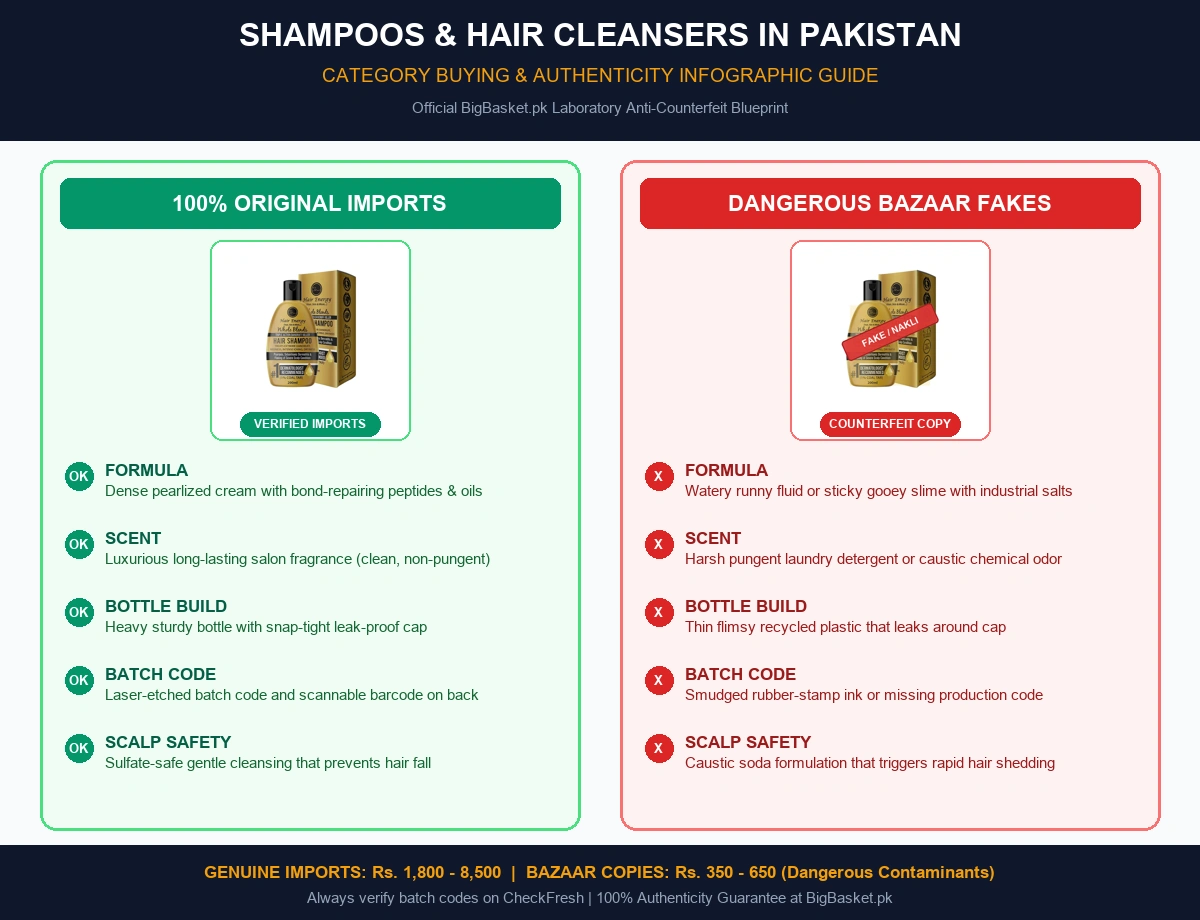
Hard or borewell water, common across many Pakistani cities, leaves mineral buildup on hair that makes it feel rough and dull no matter how good the mask is — a clarifying shampoo before masking lets the treatment actually reach the hair shaft instead of sitting on top of mineral residue. It's also worth being deliberate about where a mask is bought: loose, unsealed hair masks sold in some local markets are a common target for counterfeiting, with diluted or substituted ingredients. Buying sealed, batch-coded products from a verified seller with Cash on Delivery, rather than an open jar of unknown origin, is the safer route.
5-Minute Masks vs Deep Conditioners vs Hair Oil
These three formats do different jobs and work best combined rather than swapped for one another. A 5-minute mask is a maintenance and frizz-control step, rinsed off quickly, best used weekly. A deep conditioning or protein treatment left on for 20 to 30 minutes, often with heat, is the format actually suited to chemically treated, bleached or heavily heat-styled hair that needs real moisture and protein replenishment, not just a surface polish.
Pre-wash hair oiling — a long-standing practice in Pakistani households using coconut or olive oil applied before shampooing — protects the hair shaft from the swelling and friction that water causes during washing, which reduces damage at the source rather than treating it afterward. A leave-in conditioner, by contrast, is a no-rinse daily step mainly for detangling and light protection. None of these replace the others: oiling before a wash, a 5-minute mask on regular wash days, a deeper treatment once every week or two for more damaged hair, and a leave-in for daily upkeep is a realistic routine that actually matches what each product can do.
Common Mistakes
- Expecting a 5-minute mask to reverse bleach or chemical damage — that needs a protein treatment or a trim, not a rinse-off mask
- Applying the mask to the scalp and roots, which just adds oiliness without any real benefit there
- Rinsing with hot water, which reopens the cuticle and washes the conditioning agents straight back out
- Using a rich 5-minute mask every wash day on fine hair, leaving it flat and weighed down
- Skipping a clarifying wash first in hard-water areas, so the mask sits on mineral buildup instead of the hair
- Buying loose, unsealed hair masks from local markets without checking batch codes or seals
Frequently Asked Questions
Do 5-minute hair masks really work?+
Yes, for surface smoothing, frizz control and instant shine — they coat the cuticle with conditioning agents in the few minutes they're on. They do not reach the cortex, so they can't repair bleach damage, broken protein bonds or split ends; those need a longer deep-conditioning treatment or a salon protein service.
Can a 5-minute hair mask fix split ends?+
No. A split end is a physical break in the hair shaft that no rinse-off product can rebind. A mask can smooth the surface around the split temporarily and make it less noticeable, but the only real fix is trimming the damaged ends.
How often should I use a 5-minute hair mask?+
One to two times a week is enough for maintenance on normal-to-dry hair. In Karachi's humid months, up to three times a week can help control frizz, but using it daily on fine hair usually weighs it down and leaves it flat.
Is a 5-minute mask the same as a deep conditioner?+
No. A 5-minute mask is a quick maintenance treatment, while a deep conditioner or hair mask left on for 20 to 30 minutes, often with heat, delivers more moisture and protein and suits chemically treated or heavily heat-styled hair better.
Does BigBasket.pk sell 5-minute hair masks?+
At the time of writing, BigBasket.pk's verified catalogue does not list a 5-minute hair mask under Masks & Peels. Check the Masks & Peels category page for current stock, since it is updated regularly and Cash on Delivery is available nationwide.
Should I apply a hair mask before or after shampoo?+
After shampoo, on damp — not soaking wet — hair, from mid-lengths to ends. Shampooing first removes product buildup and oil so the mask's ingredients can actually reach the hair shaft instead of sitting on top of residue.
The Short Version
TL;DR: Yes, 5-minute hair masks work — but only on the surface. They smooth the cuticle and boost shine and frizz control within minutes; they can't repair bleach damage, broken protein bonds or split ends, which need a 20-30 minute deep treatment or a trim instead. Use one 1-3 times a week on damp mid-lengths to ends, rinse with cool water, and browse what's currently in stock under Masks & Peels.
Related Reading
- → Keratin Hair Mask Price in Pakistan: What You'll Really Pay
- → Best Deep Conditioners in Pakistan for Dry, Damaged Hair
- → Keune Hair Color Price in Pakistan: What to Know Before Buying
- → Apple Hair Color Price in Pakistan: What It Costs & Safer Picks
- → Livon Hair Serum Price in Pakistan: What It Really Costs
- → Garnier Hair Color Price in Pakistan (2026 Guide)
Browse currently available hair care for live prices, sizes and stock.
Relevant products on BigBasket.pk
Check each product page for current size, ingredients, stock and price before ordering.
Looking for verified, 100% original do 5 minute hair masks really work? Genuine stock in Pakistan ranges from Rs. 1,950 to Rs. 2,301 depending on packaging format and volume. Authentic items feature verifiable manufacturer batch codes, tamper-evident seals, and are backed by express 24-48h nationwide delivery and Cash on Delivery (COD) across Pakistan via BigBasket.pk.
- Guaranteed Authenticity: 100% genuine fresh batch stock sourced from authorized brand distributors.
- Competitive Pricing: Direct-to-consumer savings with transparent rates and exclusive bundle deals.
- Nationwide Express Dispatch: Delivered across Karachi, Lahore, Islamabad, and nationwide in 24-48 hours.
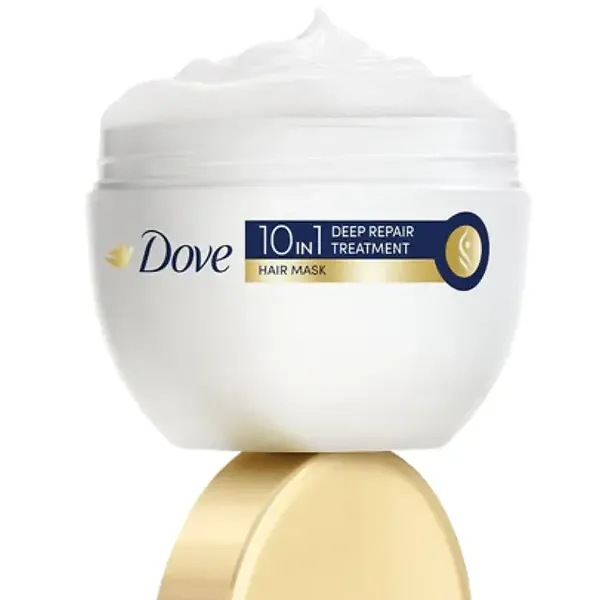
Dove Deep Repair Hair Mask - 250ml
🛒 Order 100% Original Products Online Across Pakistan
Avoid counterfeit batches and overpriced third-party sellers. BigBasket.pk guarantees 100% genuine inventory, fresh batch packaging, fast nationwide dispatch, and Cash on Delivery (COD) across Karachi, Lahore, Islamabad, Rawalpindi, Faisalabad, and all major cities.
Shop BigBasket.pk
Products Mentioned in This Article
Browse shampoos, conditioners, hair masks & treatments
Shop Hair CareTags
Share this article
Continue this topic
Hair and scalp care
See the main decision guide, related articles and current product categories in one organised hub.
Explore the topic hubWritten by
Our internal editorial team prepares commercial beauty guides for Pakistan. This organizational byline does not imply medical review; our standards explain sources, product checks and review boundaries.


