



Key Takeaway
Developer volume for hair colour explained: 10, 20, 30 and 40 vol control how much lift and how fast colour processes — here's how to choose correctly.
Developer volume for hair colour explained in one line: developer (also called peroxide or oxidant) is the second bottle you mix with permanent or demi-permanent colour, and its volume — 10, 20, 30 or 40 — determines how much your natural hair lifts (lightens) and how fast the colour processes. If you need a standalone hair colour developer or peroxide, BigBasket.pk can source it and deliver it to you on request with Cash on Delivery, so whether you're mixing a box or a salon-brand tint at home, we can bring the right developer in for you.
What we can help with is the part most people get wrong: picking the right volume, avoiding the mistakes that damage hair, and choosing genuine colour-care products to protect the result once you've coloured.
What Developer Volume Actually Means
Developer (also called peroxide, oxidant, or "oxy" in Pakistani salons) is the second bottle in any permanent or demi-permanent hair colour box — the cream colour is bottle one, developer is bottle two, and mixing them starts the chemical reaction that actually changes your hair. The number on the developer bottle — 10, 20, 30 or 40 vol — measures how much hydrogen peroxide it contains, and therefore how much oxygen it releases into the hair shaft.
Roughly: 10 vol = 3% hydrogen peroxide, 20 vol = 6%, 30 vol = 9%, and 40 vol = 12%. Higher percentages open the hair cuticle wider and lift the natural pigment further before the new colour deposits. Lower volumes barely lift at all and mainly deposit tone. This is why the exact same tube of colour can give completely different results depending only on which developer it's mixed with.
10, 20, 30 & 40 Vol: Use-By-Use Breakdown
- 10 Vol (3%): Little to no lift. Used for depositing tone, glossing, refreshing faded colour, or covering the very first strands of grey without lightening the rest of the hair.
- 20 Vol (6%): The most common household strength. Lifts natural hair roughly 1-2 levels, gives full grey coverage, and is what most permanent box dyes in Pakistan are formulated to pair with for root touch-ups and all-over colour.
- 30 Vol (9%): Lifts 2-3 levels. Used when you want a noticeably lighter result than your natural shade, such as going from black to a medium brown, or brown to a warm caramel.
- 40 Vol (12%): The strongest developer sold for colour work, lifting 3-4 levels. Used for high-lift blondes and resistant dark hair, and carries the highest risk of scalp irritation and hair damage if left on too long or applied directly at the scalp.
As a rule, the higher the volume, the shorter the safe processing window — and the more critical it is to follow the manufacturer's timing exactly instead of guessing.
How To Match Developer Volume To Your Colour Goal
The developer volume you need depends on three things: your natural hair level (the 1-10 scale salons use, where 1 is black and 10 is palest blonde), how much grey you're covering, and how many shades lighter or darker you want to go. Most box colours sold in Pakistan already specify the correct developer — usually 20 vol for standard coverage — and are formulated as a matched system, so pairing them with a stronger developer than the box recommends doesn't give a "better" result, only a harsher one.
For resistant, coarse, or very dark natural hair — common with level 2-4 hair — a slightly stronger developer (20 to 30 vol) may be needed for full grey coverage, while fine or previously coloured hair usually needs less. In humid climates like Karachi, processing tends to run faster because heat and moisture speed up the oxidation reaction, so hair can lift more than expected in the same timeframe versus a dry, cooler day in an Islamabad or Lahore winter. Always mix in the ratio printed on the box — typically 1:1 or 1:1.5, colour to developer — and do a strand test on a small, hidden section first, especially if pairing a developer with a colour brand it wasn't packaged with. For everyday hair essentials, browse BigBasket.pk's hair care category.
| Product | What It Is | Price (PKR) | Best For |
|---|---|---|---|
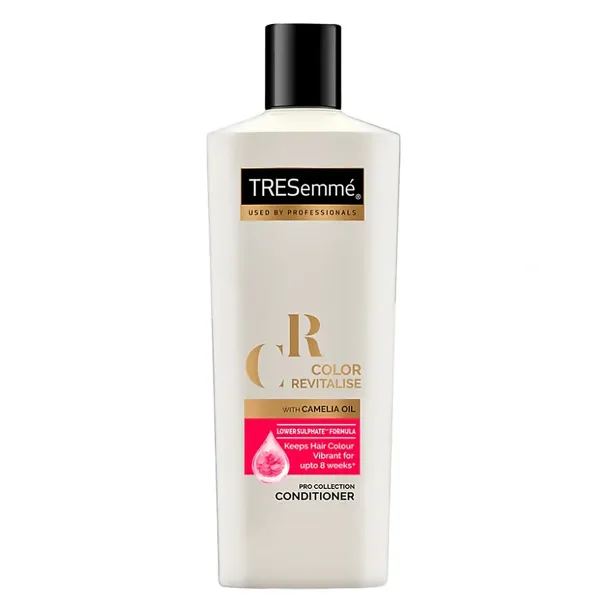
| Tresemme Colour Revitalize Conditioner - 360ML | Colour Revitalize Conditioner | See current price on the linked product page | Daily colour-treated hair care |
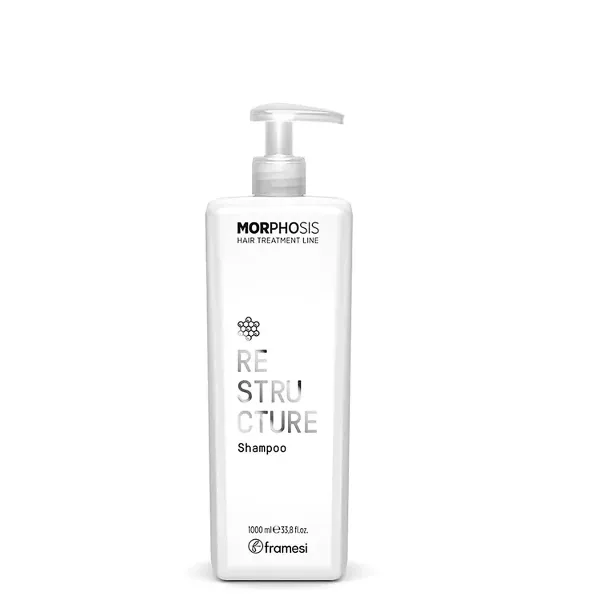
| Framesi - Morphosis Sublimis Oil Shampoo - 1000ml | Color-Care Oil Shampoo | See current price on the linked product page | Post-colour shine & moisture |
| Rice Extract shampoo - Conditioner | Rice Extract 2-in-1 | See current price on the linked product page | Gentle everyday wash |
| Asma Doll Hair Keratin Kit | Keratin Repair Kit | See current price on the linked product page | Over-processed hair recovery |
| Asma Doll Hair Oil | Nourishing Hair Oil | See current price on the linked product page | Frizz & dryness between washes |
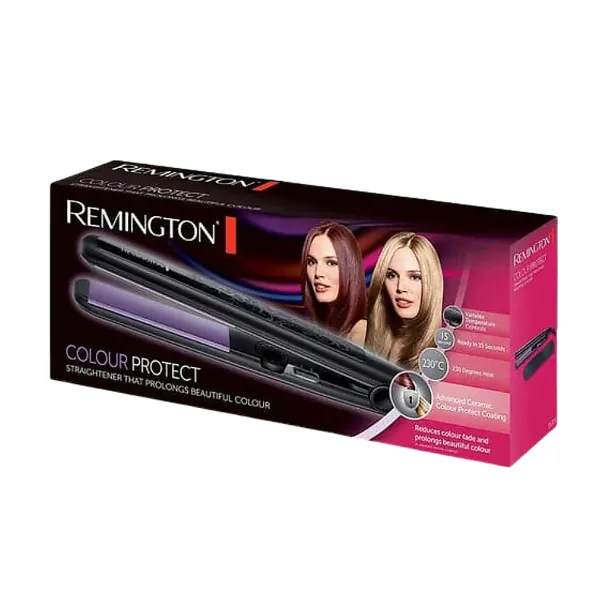
| Remington Hair Straightener Colour Protect - S6300 | Colour-Protect Straightener | See current price on the linked product page | Heat styling without fading |
Prices correct as of July 2026. Cash on Delivery available across Pakistan.
Common Developer Mistakes That Damage Hair
- Reaching for 40 vol out of habit: using the strongest developer for a routine root touch-up or grey coverage causes unnecessary dryness and breakage when 20 vol would have done the job.
- Buying loose, unbranded peroxide: peroxide sold in unlabelled bottles at some local markets can have inconsistent or mislabelled strength, making processing time impossible to predict and raising the risk of scalp burns.
- Guessing the mixing ratio: colour and developer are formulated as a system; eyeballing a "stronger mix" than the box specifies throws off both lift and tone.
- Leaving colour on too long: in Karachi's heat and humidity especially, colour left on beyond the stated time can lift further than intended and over-dry the hair.
- Skipping the strand and patch test: this is the only reliable way to confirm timing and check for a reaction before a full application.
- Reusing old, opened developer: hydrogen peroxide gradually breaks down once opened, so a bottle sitting for months processes weaker and less predictably than a fresh one.
Caring For Colour-Treated Hair After Development
Whatever volume was used, developer works by opening the hair cuticle, and that cuticle needs help closing back down afterward. Colour-treated hair loses moisture and shine faster than virgin hair, especially with 30 or 40 vol formulas, so the shampoo and conditioner used in the weeks after colouring matter almost as much as the colour service itself.
A conditioner formulated specifically for colour-treated hair, like the Tresemme Colour Revitalize Conditioner (See current price on the linked product page), helps replenish moisture and maintain shine without weighing hair down. For a richer, oil-based wash suited to drier or more processed lengths, the Framesi Morphosis Sublimis Oil Shampoo (See current price on the linked product page) is built for this kind of post-colour maintenance. If you prefer a gentler, everyday option between deeper treatments, the Rice Extract Shampoo-Conditioner (See current price on the linked product page) is a lighter two-in-one that won't strip freshly developed colour.
Whichever you choose, avoid switching back to a regular clarifying shampoo too soon after colouring — sulfate-heavy formulas can fade tone and undo what the developer just did.
Repairing Over-Processed Hair
If hair feels straw-like, snaps easily, or has lost its natural bounce after a session with 30 or 40 vol developer, that's a sign the cuticle has been over-opened and needs structural repair, not just a rinse-out conditioner. A keratin-based treatment can help rebuild the protein bonds that high-volume developers break down.
The Asma Doll Hair Keratin Kit (See current price on the linked product page) is built for this kind of at-home recovery, and pairing it with the Asma Doll Hair Oil (See current price on the linked product page) between washes helps manage frizz and dryness while hair recovers. It's also worth cutting back on additional heat styling during this period — if you do need to straighten colour-treated hair, a tool like the Remington Hair Straightener Colour Protect S6300 (See current price on the linked product page) is designed to reduce further heat damage and help preserve colour vibrancy compared to a standard plate.
As a general guide, the higher the developer volume used, the longer the recovery window hair needs before its next chemical service — most stylists recommend waiting at least 4-6 weeks between high-lift processes.
Common Mistakes
- Using 40 vol developer for routine grey coverage when 20 vol would work with less damage
- Buying loose, unbranded peroxide from local markets with no reliable strength labelling
- Mixing colour and developer in a guessed ratio instead of following the box instructions
- Leaving colour on longer than the stated time, especially in Karachi's heat and humidity
- Skipping the strand test before a full application
- Reusing an old, previously opened bottle of developer that has lost potency
Shop BigBasket.pk
Products Featured in This Article
100% authentic — Cash on Delivery across Pakistan


Frequently Asked Questions
What developer volume should I use for grey coverage?+
For most grey coverage on natural hair, 20 vol (6% peroxide) is the standard choice — it lifts just enough to deposit full colour on grey strands without excessive lightening. Stronger volumes like 30 or 40 vol are only needed if you're also trying to lighten the surrounding natural hair by several shades.
Can I use 40 vol developer directly on my scalp?+
No, 40 vol developer is generally not recommended for scalp-touching application — it's meant for off-scalp techniques like balayage or high-lift foils because of the higher risk of chemical burns and irritation. For strong lift starting at the root, a stylist will usually choose a lower volume and process for longer instead.
Does BigBasket.pk sell hair colour developer?+
Yes, BigBasket.pk can source standalone hair colour developers or peroxide and deliver them to you on request, with Cash on Delivery nationwide. We also keep colour-care products in stock for before and after you use one, such as the Tresemme Colour Revitalize Conditioner and Framesi Morphosis Sublimis Oil Shampoo, available in our hair care category.
What happens if I use a higher volume developer than the box recommends?+
Using a stronger developer than specified increases lift and processing speed beyond what the colour formula was designed for. This usually results in more damage, a lighter or brassier tone than expected, and a shorter safe processing window before you need to correct the result.
How long should developer be left on hair?+
Processing time depends on the volume and brand, typically 20-45 minutes, and should always follow the instructions printed on the box rather than a fixed rule. In hot, humid conditions like Karachi's, colour can process faster than the stated time, so checking a test strand partway through is safer than guessing.
Is 30 vol enough to lift black hair to blonde?+
No, lifting black hair to blonde in one step usually requires bleach, not developer alone. 30 vol will lift natural black hair by roughly 2-3 levels, for example to a dark brown, which is not enough to reach blonde without multiple sessions or a dedicated lightening product.
The Short Version
TL;DR: Developer volume (10, 20, 30, 40) controls how much a hair colour lifts and how fast it processes — 10 vol deposits tone only, 20 vol is standard for grey coverage and root touch-ups, 30 vol lifts 2-3 shades, and 40 vol is the strongest, highest-damage option. BigBasket.pk can source a standalone developer for you on request with Cash on Delivery, and you can also find genuine colour-care essentials like the Tresemme Colour Revitalize Conditioner in our hair care category to keep colour-treated hair healthy after processing.
Related Reading
- → Bremod Hair Colour Shade Card & Numbers Explained
- → Salon vs At-Home Hair Colour: Which Gives Better Results?
- → Ammonia vs Ammonia-Free Hair Colour: Which Is Safer?
- → Grey Hair Coverage: A Beginner's Guide for Pakistani Hair
- → Hair Colour Shade Numbers Explained (Pakistan Guide)
- → Revlon Hair Colour Shades & Price in Pakistan 2026
Price note: Prices mentioned in this guide are snapshots and may change. The linked product page shows the current BigBasket.pk price and availability.