



Key Takeaway
Arnica hair oil is a herbal infusion that calms scalp inflammation and boosts circulation to follicles, not a regrowth cure. Here's how it works, and honest in-stock alternatives.
Arnica hair oil is a herbal-infused oil made from Arnica montana flowers steeped in a carrier oil, applied mainly to calm scalp inflammation, support circulation to the follicles, and reduce shedding linked to an irritated scalp. The real arnica hair oil benefits for hair centre on scalp health rather than instant regrowth: it supports the environment hair grows in, not a miracle cure.
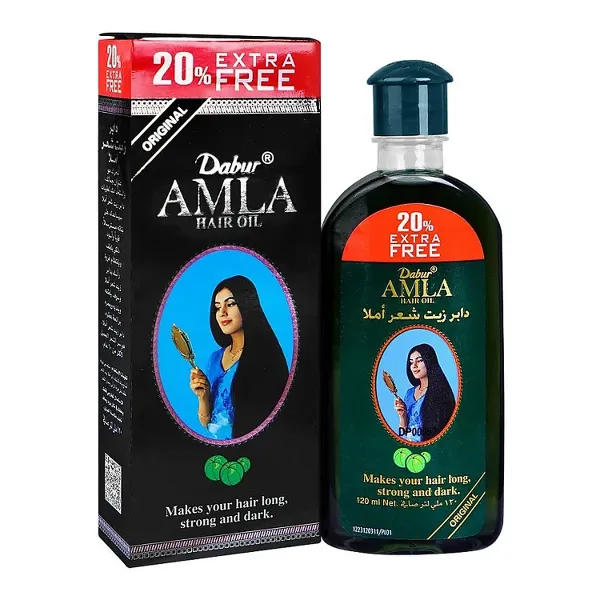
Worth saying upfront: BigBasket.pk does not currently stock a dedicated arnica hair oil. Below we explain what it is and how it works, then point you to the genuine herbal hair oils we do stock, like Dabur Amla Hair Oil, that target the same hair fall and scalp-nourishment goals.
What Is Arnica Hair Oil?
Arnica montana is a yellow, daisy-like flowering plant that grows in mountainous regions of Europe and has been used in topical folk medicine for centuries, most commonly in bruise and muscle-soreness creams. Arnica hair oil takes the same plant and infuses its flowers into a lighter carrier oil, usually sunflower, almond, olive or coconut oil, rather than using pure arnica essential oil directly on the scalp, since undiluted arnica extract is strong enough to irritate skin.
The active compounds most often cited are sesquiterpene lactones, including helenalin, which give arnica its anti-inflammatory reputation. In a hair oil format, this translates to a light, herbal-smelling oil meant to be massaged into the scalp rather than through the hair lengths, since the scalp, not the strand, is where arnica's claimed effects are supposed to work.
It's a niche, specialty ingredient rather than a mainstream hair oil base in Pakistan, which is part of why it's harder to find on local shelves compared to more established oils like amla, coconut or castor.
How Arnica Hair Oil Works on Hair and Scalp
Arnica hair oil's effects are almost entirely about the scalp environment, not the hair shaft itself. The anti-inflammatory compounds are meant to calm redness, itchiness and mild irritation on the scalp, the same reasoning behind arnica gels for swelling and bruising, just applied to a different part of the body.
A calmer, less inflamed scalp is linked to reduced shedding in some people, because chronic scalp irritation from dandruff, product buildup, sweat or humidity can weaken the hair's anchor point over time. Arnica is also credited with mild vasodilating properties, meaning it may temporarily improve blood flow to the area when massaged in, and massage itself, independent of the oil, is known to support circulation to hair follicles.
None of this means arnica hair oil regrows hair or reverses genetic hair loss. It works indirectly, by making the scalp a healthier place for existing hair to stay anchored, rather than by stimulating new follicle growth the way a clinically tested treatment might.
Real Benefits vs Marketing Claims
Sold honestly, arnica hair oil's realistic benefits are calming an itchy or mildly inflamed scalp, adding light shine when massaged in as a pre-wash treatment, and potentially reducing shedding caused by scalp irritation rather than genetics or hormones. These are supported by arnica's established topical anti-inflammatory use, even though large-scale clinical trials specifically on hair growth are limited.
Marketing claims that go further than this, such as regrowing hair in weeks, stopping hair fall completely, or reversing grey hair, are not backed by strong evidence. Arnica has no proven mechanism for reversing greying, which is largely genetic and tied to melanocyte activity, not scalp inflammation.
In Karachi's humidity, or after a Lahore winter of dry, static-prone hair, a scalp-focused oil like arnica can genuinely help with comfort and flaking. But readers expecting it to outperform proven hair fall treatments, or to work faster than a full routine of gentle shampooing, regular oiling and a balanced diet, are likely to be disappointed.
| Product | What It Is | Price (PKR) | Best For |
|---|---|---|---|
| Dabur amla hair oil 120ml | Amla herbal hair oil | See current price on the linked product page | hair fall & shine control |
| Asma Doll Hair Oil | General nourishing hair oil | See current price on the linked product page | daily scalp nourishment |
| Asma Doll Hair Keratin Kit | At-home keratin repair kit | See current price on the linked product page | damaged, brittle hair |
Prices correct as of July 2026. Cash on Delivery available across Pakistan.
Does BigBasket.pk Stock Arnica Hair Oil?
No, BigBasket.pk does not currently list a dedicated arnica hair oil. Rather than stretch an unrelated product to fit the search, here are the genuine herbal and nourishing hair oils we do stock that target the same concerns arnica hair oil is used for: hair fall, scalp nourishment and shine.
Dabur Amla Hair Oil 120ml (See current price on the linked product page reduced from See current price on the linked product page) is the closest traditional alternative in stock. Amla, or Indian gooseberry, is rich in vitamin C and antioxidants and has been used across South Asia for generations to support hair fall control and add shine, the same broad goals many buyers search for arnica oil to achieve.
For a general daily nourishing oil, Asma Doll Hair Oil (See current price on the linked product page) is formulated for scalp and strand nourishment. If the real concern is damaged, brittle hair rather than scalp irritation, the Asma Doll Hair Keratin Kit (See current price on the linked product page) treats structural damage an oil alone can't fix. Browse the full range in our hair care category.
How to Use a Herbal Scalp Oil Correctly
Whichever herbal hair oil you use, arnica-based or an in-stock alternative like amla, the application method matters more than the specific plant extract. Section the hair and massage the oil into the scalp using fingertips in small circular motions for two to three minutes; this is what drives the circulation benefit, not just the oil sitting on the skin.
Leave it on for at least 30 minutes, or ideally overnight under a light cover, before washing out with a gentle, sulphate-light shampoo. In Karachi's humid months, a lighter application and a thorough rinse stop the oil from trapping sweat and dirt against the scalp; in Lahore or Islamabad's dry winters, oiling can be done slightly more often since the scalp loses moisture faster.
Two to three applications a week is a reasonable starting frequency for most hair types; daily oiling isn't necessary and can leave fine hair looking weighed down. Always patch test a new oil on the inner forearm 24 hours before applying it to the scalp, especially with plant extracts like arnica that carry a real allergy risk for some people.
Who Should Avoid Arnica Hair Oil, and Common Mistakes
Arnica is part of the Asteraceae (daisy) family, which also includes ragweed, chrysanthemums and marigolds. People with known allergies to these plants should avoid arnica hair oil, or patch test carefully first, since cross-reactivity in topical arnica products is well documented.
It should also be avoided on broken skin, active scalp infections, sores, or right after chemical treatments like keratin or colour, since inflamed or compromised skin absorbs actives differently and irritation is more likely. Arnica hair oil is meant for scalp maintenance on otherwise healthy skin, not as a treatment for an existing condition; that needs a dermatologist.
The biggest mistake buyers make in Pakistan's local markets is picking up an unlabeled arnica oil bottle with no ingredient list, batch number or expiry date; many of these are synthetic fragrance blends with little or no real arnica extract. Buying a traceable, properly labelled product, whether that's an imported arnica oil or a stocked alternative like Dabur Amla Hair Oil, with Cash on Delivery from a verified retailer is the safer route than an open-market guess.
Common Mistakes
- Buying unlabeled "arnica oil" from local markets with no ingredient list, batch number or expiry date; often synthetic fragrance with little real arnica extract.
- Applying arnica essential oil undiluted straight onto the scalp instead of a properly infused, diluted carrier oil.
- Skipping a patch test, even though people allergic to ragweed, daisies or chrysanthemums can react to arnica.
- Expecting arnica hair oil to regrow hair or reverse genetic hair loss instead of just calming scalp inflammation.
- Using it on broken skin, sores or a scalp that's just had a chemical treatment like keratin or colour.
- Oiling daily out of habit instead of two to three times a week, which can weigh down fine hair for no extra benefit.
Shop BigBasket.pk
Products Featured in This Article
100% authentic — Cash on Delivery across Pakistan


Frequently Asked Questions
What is arnica hair oil used for?+
Arnica hair oil is a carrier oil infused with Arnica montana flower extract, used topically to calm scalp inflammation, support circulation to the hair follicles and reduce shedding linked to an irritated or oily scalp. It's applied to the scalp rather than the hair lengths, usually left on for 30 minutes or overnight before washing out.
Does BigBasket.pk sell arnica hair oil?+
No, BigBasket.pk does not currently stock a dedicated arnica hair oil. For the same hair fall and scalp-nourishment goals, Dabur Amla Hair Oil 120ml at See current price on the linked product page and Asma Doll Hair Oil at See current price on the linked product page are genuine, in-stock alternatives.
Is arnica hair oil safe for daily use?+
Most diluted arnica hair oil infusions are better suited to two to three uses a week rather than daily, since the scalp doesn't need constant reapplication of the active plant compounds. Anyone with a known allergy to ragweed, daisies or chrysanthemums should patch test first and use it sparingly.
Can arnica hair oil regrow hair or stop hair fall completely?+
No single oil, arnica included, can guarantee hair regrowth or completely stop hair fall, especially if the cause is hormonal, nutritional or genetic. It can support a calmer scalp and reduce shedding linked to inflammation, but sudden or severe hair loss needs a dermatologist's diagnosis, not just an oil.
How can I tell real arnica hair oil from a fake one in local markets?+
Genuine arnica hair oil clearly lists Arnica montana flower extract or oil in its ingredients and carries a batch number, manufacturing date and expiry date on sealed packaging. Unlabeled bottles sold loose in open markets are a common source of counterfeit or heavily diluted arnica products in Pakistan.
What's a good in-stock alternative to arnica hair oil for hair fall?+
Dabur Amla Hair Oil (See current price on the linked product page for 120ml, reduced from See current price on the linked product page) is a well-known traditional alternative; amla is rich in vitamin C and antioxidants and is widely used across South Asia for hair fall control and shine, similar goals to arnica oil. Asma Doll Hair Oil (See current price on the linked product page) is another stocked option for general nourishment and scalp care.
The Short Version
TL;DR: Arnica hair oil is a herbal infusion used to calm scalp inflammation and support circulation, not a proven hair-regrowth treatment, and BigBasket.pk doesn't currently stock a dedicated arnica oil. For the same hair fall and scalp-nourishment goals, try Dabur Amla Hair Oil or browse the full hair care category.
Related Reading
- → Arnica Hair Oil Price in Pakistan: Buying Guide
- → Best Hair Oil for Growth & Thickness in Pakistan
- → Hair Oil Brands in Pakistan: A Genuine Buying Guide
- → Hair Oil Guide Pakistan: Almond, Onion & Argan for Hair Fall
- → Hair Oil vs Hair Serum: Which One Does Your Hair Need?
- → Winter Hair Care: Dry Scalp & Frizz (Pakistan)
Price note: Prices mentioned in this guide are snapshots and may change. The linked product page shows the current BigBasket.pk price and availability.